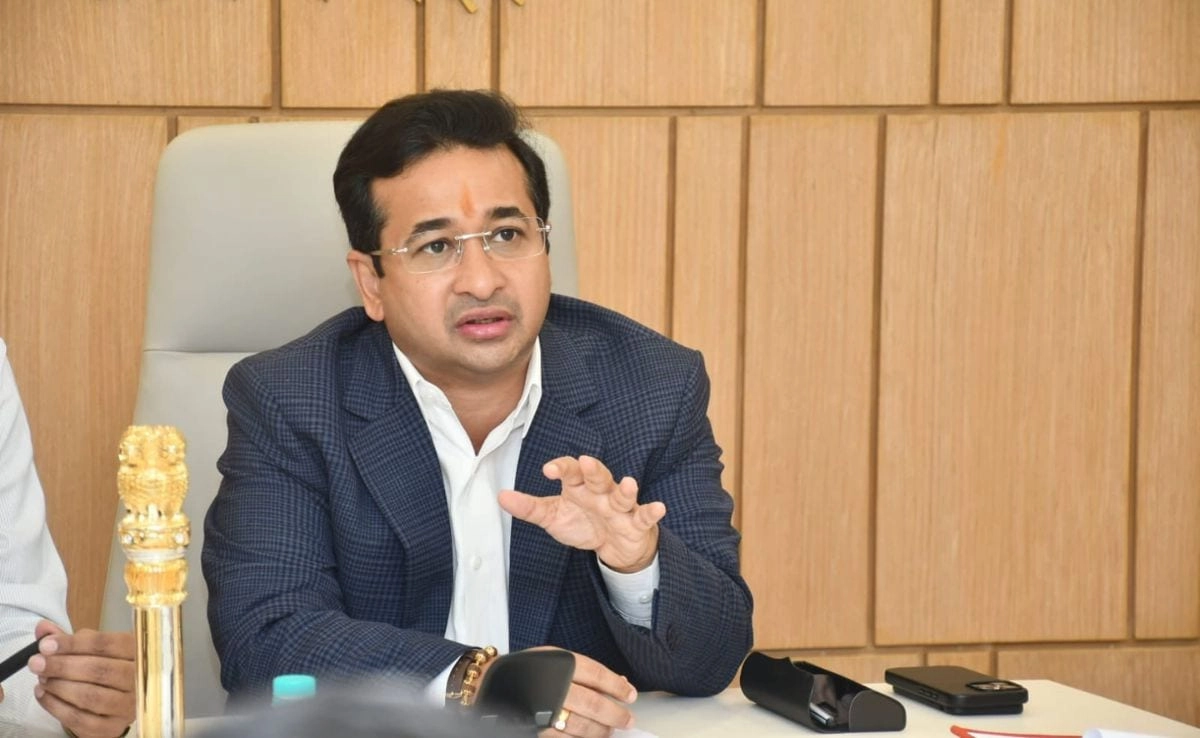
In a recent statement that has caught significant attention, a prominent minister in Parliament responded to Rahul Gandhi’s metaphorical ‘friendship request’ directed at the government. The minister emphasized the importance of unity and collaboration, suggesting that it is time for all political factions to set aside their differences and work towards the common good of the nation. This sentiment echoes a growing call for collective action among various political parties, urging them to prioritize national interests over partisan politics.
The notion of a ‘friendship request’ implies an invitation to engage in constructive dialogue and cooperation. The minister’s acceptance of this request could signal a shift towards more collaborative governance. Such an approach is crucial, especially in times of social and economic challenges, where unity can lead to more effective solutions. By fostering an environment of mutual respect and understanding, lawmakers can better address pressing issues that affect citizens across the country.
Furthermore, this call for unity is not merely a political strategy; it reflects the broader societal need for cohesion. In a diverse nation like India, where differing opinions and ideologies often clash, finding common ground is essential for progress. The minister’s endorsement of Rahul’s initiative could pave the way for more inclusive discussions in Parliament, enabling a platform where diverse voices are heard, and consensus is sought.
In conclusion, the acceptance of Rahul Gandhi’s ‘friendship request’ by the government could mark a pivotal moment in Indian politics. It invites all parties to come together in the spirit of collaboration, fostering a sense of camaraderie that can lead to meaningful legislative outcomes. As the nation navigates complex challenges, the significance of unity in governance cannot be overstated, and this gesture may serve as a catalyst for a more harmonious political landscape.