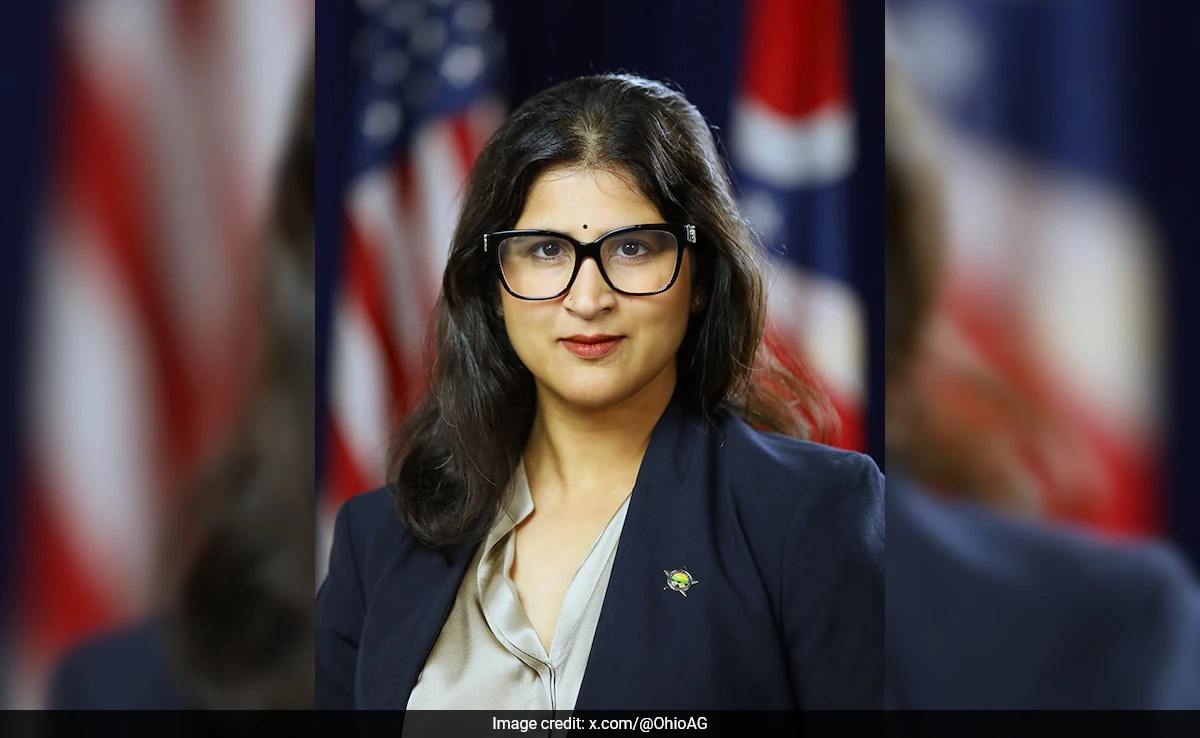
Mathura Sridharan, an Indian-origin attorney, has recently been appointed as the Solicitor General of Ohio, a significant position that places her at the forefront of the legal landscape in the state. Her appointment is particularly notable as it highlights the increasing diversity within the legal profession, showcasing how individuals from various backgrounds can rise to influential roles. However, Sridharan’s new position has not been without controversy, as she has faced criticism for wearing a bindi, a traditional symbol in Indian culture that often signifies marriage or spirituality. This public scrutiny raises questions about cultural representation and the challenges that individuals from minority backgrounds encounter in professional environments.
The bindi, which is commonly associated with Indian culture, has become a focal point in the discussions surrounding Sridharan’s appointment. Critics argue that her choice to wear it in a professional setting may not align with the expectations of a Solicitor General. This controversy underscores the broader societal issues concerning cultural appropriation and the acceptance of diverse identities in the workplace. Supporters of Sridharan argue that her decision to embrace her heritage is a positive statement of cultural pride and representation, particularly in a field where such expressions have historically been marginalized. They contend that her visibility as a woman of color in a high-ranking legal position can inspire others and pave the way for more inclusive practices within the legal system.
As Sridharan steps into her role, she is faced with the dual challenge of addressing the criticisms while also fulfilling the responsibilities that come with being Ohio’s Solicitor General. Her position requires her to navigate complex legal issues and represent the state in various lawsuits, making her work crucial not only to Ohio’s legal framework but also to the broader discussion about diversity and inclusion in government roles. The scrutiny over her cultural expression may serve as a reminder of the ongoing need for dialogue around race, identity, and the acceptance of diverse cultural symbols in professional spaces.
In conclusion, Mathura Sridharan’s appointment as Ohio’s Solicitor General is a landmark achievement that reflects the changing dynamics of the legal profession. While she faces challenges related to cultural representation and criticism for her choice to wear a bindi, her role offers an opportunity to advocate for greater acceptance of diversity in legal and governmental settings. As she embarks on this new chapter in her career, her journey will likely inspire conversations surrounding identity, representation, and the importance of embracing cultural heritage in professional environments.