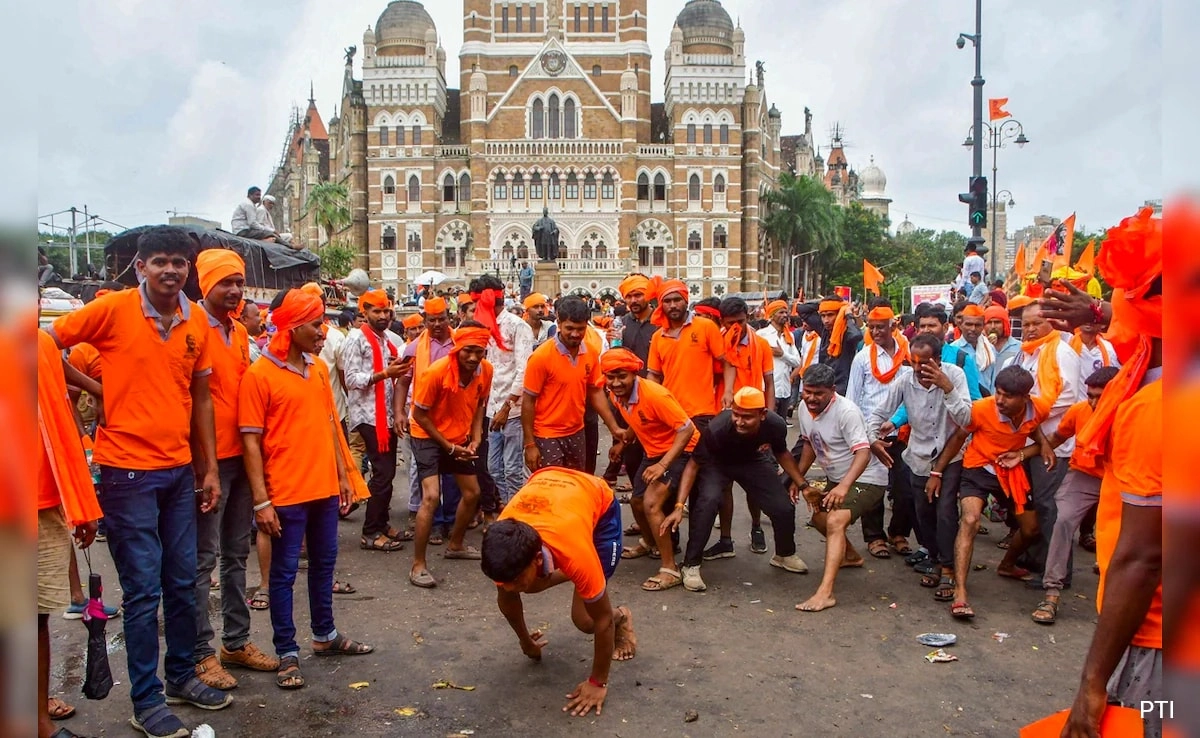
In a vibrant display of cultural resilience and unity, protesters advocating for the Maratha quota took to the streets of Mumbai to express their demands through traditional games like cricket, kabaddi, and kho kho. This unique approach not only highlighted the seriousness of their cause but also brought a festive atmosphere to an otherwise politically charged situation. The protesters, primarily comprised of members from the Maratha community, sought to draw attention to their demands for reservation in government jobs and educational institutions, which they believe are essential for their socio-economic advancement.
The choice of engaging in sports such as cricket and kabaddi speaks volumes about the community’s spirit and determination. These games are deeply rooted in Indian culture and resonate with the populace, allowing the protesters to connect with the public on a more personal level. By incorporating these traditional activities into their demonstration, the Maratha quota protesters not only garnered attention but also fostered a sense of solidarity among participants and supporters alike. The lively matches served as a reminder of the community’s rich heritage and their ongoing struggle for recognition and equality.
As the games unfolded, onlookers were drawn in, some even joining in on the fun, breaking barriers of age and social status. The event was marked by passionate cheers and the enthusiastic participation of youth, symbolizing hope for the future of the Maratha community. Organizers emphasized that while the games were a means of protest, they also aimed to raise awareness about the pressing issues faced by the Marathas, including economic disparities and the need for affirmative action. This blend of sportsmanship and activism showcased the ingenuity of the protesters, transforming a serious political issue into a community celebration.
Overall, the Maratha quota protesters’ use of cricket, kabaddi, and kho kho in Mumbai represents a creative and effective strategy to highlight their demands while fostering community spirit. In a country where sports often serve as a unifying force, the protesters successfully leveraged this cultural aspect to bolster their message. As the movement continues, such innovative approaches may play a crucial role in keeping the dialogue alive and pushing for the changes that the Maratha community seeks. This unique blend of tradition and activism not only reinforces their demands but also sets a precedent for future movements aiming to address social justice issues in India.