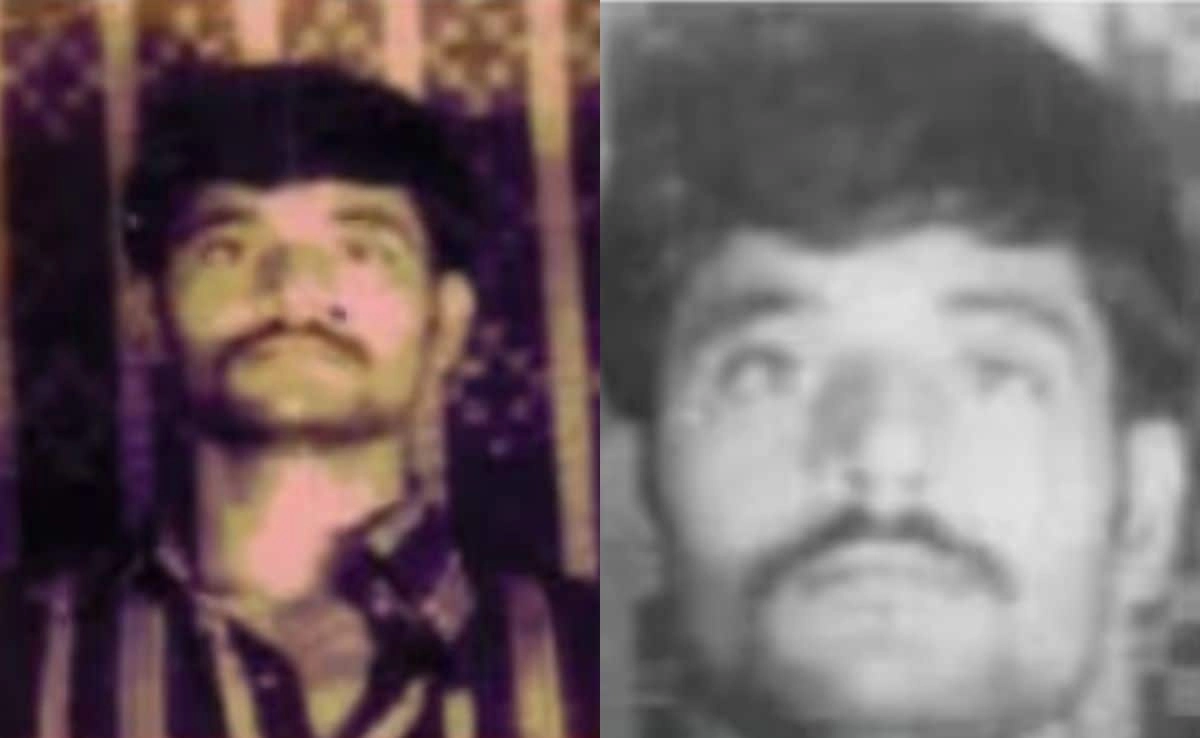
In a significant development in India’s ongoing efforts to combat Maoist insurgency, Union Home Minister Amit Shah announced the death of a prominent Maoist leader, who had a bounty of Rs 1.5 crore on his head. This operation took place in Chhattisgarh, a state that has been at the forefront of the conflict with left-wing extremism. The elimination of such a high-profile figure is seen as a major victory for security forces, reflecting the government’s commitment to eradicating Maoist influence in the region.
The Maoist leader, whose identity has not been disclosed, was reportedly involved in orchestrating various violent activities against the state and its citizens. The bounty placed on his head signifies the severity of his actions and the threat he posed to law and order in Chhattisgarh. The state’s difficult terrain and dense forests have historically provided a refuge for Maoist groups, making operations challenging for law enforcement. However, the successful neutralization of this leader underscores the strategic efforts being made by the security forces to dismantle the infrastructure of these insurgent groups.
Amit Shah’s announcement not only highlights the operational success but also serves as a warning to other insurgents. The government is determined to pursue a zero-tolerance policy against Maoism, aiming to restore peace and stability in affected areas. This incident could potentially lead to a domino effect, encouraging more defections among Maoist ranks and weakening their organizational structure. The security forces are continuously adapting their strategies, using intelligence and technology to target key figures within the Maoist hierarchy.
Moreover, this operation is part of a broader initiative by the Indian government to address the root causes of Maoist insurgency, including poverty, lack of development, and social injustice. While military action is crucial, the government recognizes the importance of implementing developmental programs and improving governance in tribal and rural areas to create a sustainable environment for peace. The death of this Maoist leader may serve as a catalyst for further action against extremism, fostering a renewed focus on both security and development in the region.