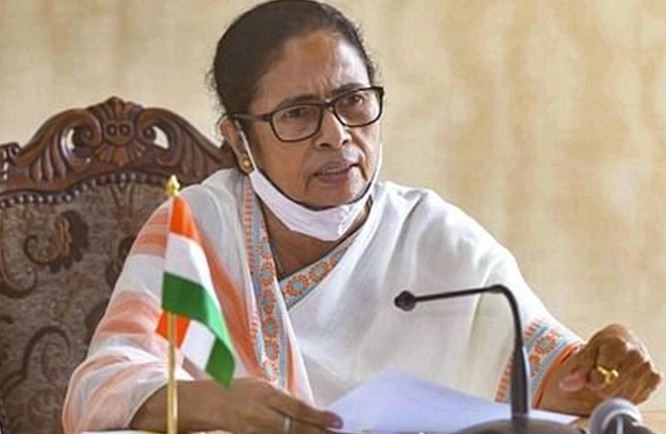
West Bengal Chief Minister Mamata Banerjee recently made headlines by choosing not to fill out the SIR (Self-Identification of Resident) form. During a public address, she expressed her belief that her decision is preferable to a metaphorical act of “rubbing one’s nose on the ground.” This statement reflects her stance against what she perceives as demeaning or unnecessary bureaucratic processes that may undermine individual dignity.
Mamata’s remarks come in the context of ongoing discussions about civic identity and the responsibilities tied to it. By refusing to comply with the SIR form, she is signaling her disapproval of the system, which she argues might pressure individuals into compromising their self-respect. Her comments resonate with many who feel that certain administrative requirements can be intrusive and diminish personal agency.
This stance is indicative of her broader political philosophy, which often prioritizes the empowerment of citizens and the assertion of their rights. By highlighting the importance of individual dignity in her refusal to fill out the form, she aims to inspire others to stand up against practices that they find unjust or humiliating. Mamata Banerjee’s leadership style often emphasizes resilience and defiance, encouraging her supporters to challenge policies that they believe do not serve the public’s best interests. Her approach reflects a commitment to fostering a sense of agency among the people of West Bengal, advocating for their rights in the face of bureaucratic challenges.