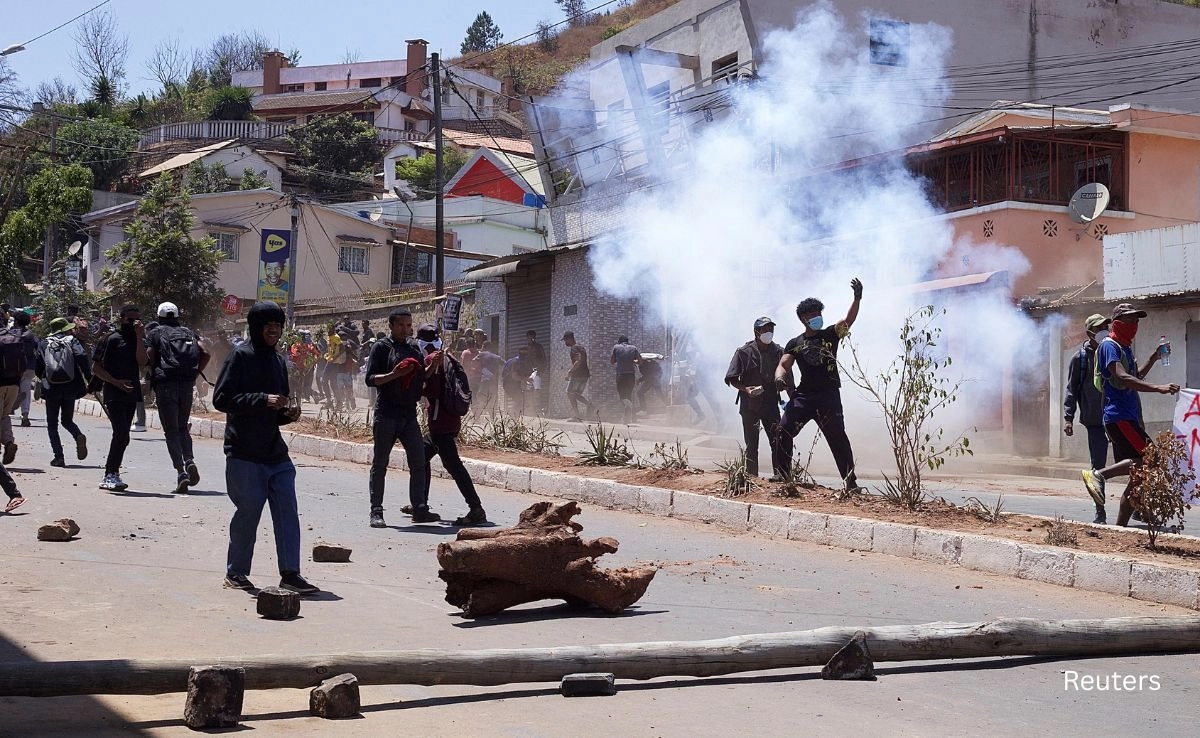
In a dramatic turn of events, Madagascar’s President has taken the unprecedented step of dismissing the entire government following a wave of protests led by the country’s youth. These protests, primarily driven by members of Generation Z, erupted in response to a myriad of socio-economic issues that have plagued the nation, including rising unemployment, economic instability, and a perceived lack of government accountability. The unrest highlights the growing frustration among young people who feel disenfranchised and ignored by the political elite, sparking demands for meaningful change.
The protests intensified after a particularly violent clash between demonstrators and law enforcement, resulting in tragic fatalities that further fueled public outrage. The government’s inability to address the concerns of the youth, along with its heavy-handed approach to dissent, has created a volatile situation. In response to the escalating crisis, the President’s decision to dissolve the government seeks to signal a commitment to reform and a willingness to listen to the voices of the younger generation. However, it remains uncertain whether this move will quell the unrest or lead to further instability.
As Madagascar grapples with the aftermath of these protests, the President’s next steps will be crucial in shaping the future of the country. The appointment of a new cabinet will be closely watched, as citizens demand leaders who truly represent their interests and can effectively tackle the pressing issues facing the nation. The youth-led movement has the potential to reshape Madagascar’s political landscape, compelling the government to adopt more inclusive policies and engage in genuine dialogue with its citizens. The unfolding situation serves as a poignant reminder of the power of youth activism and its ability to challenge the status quo.