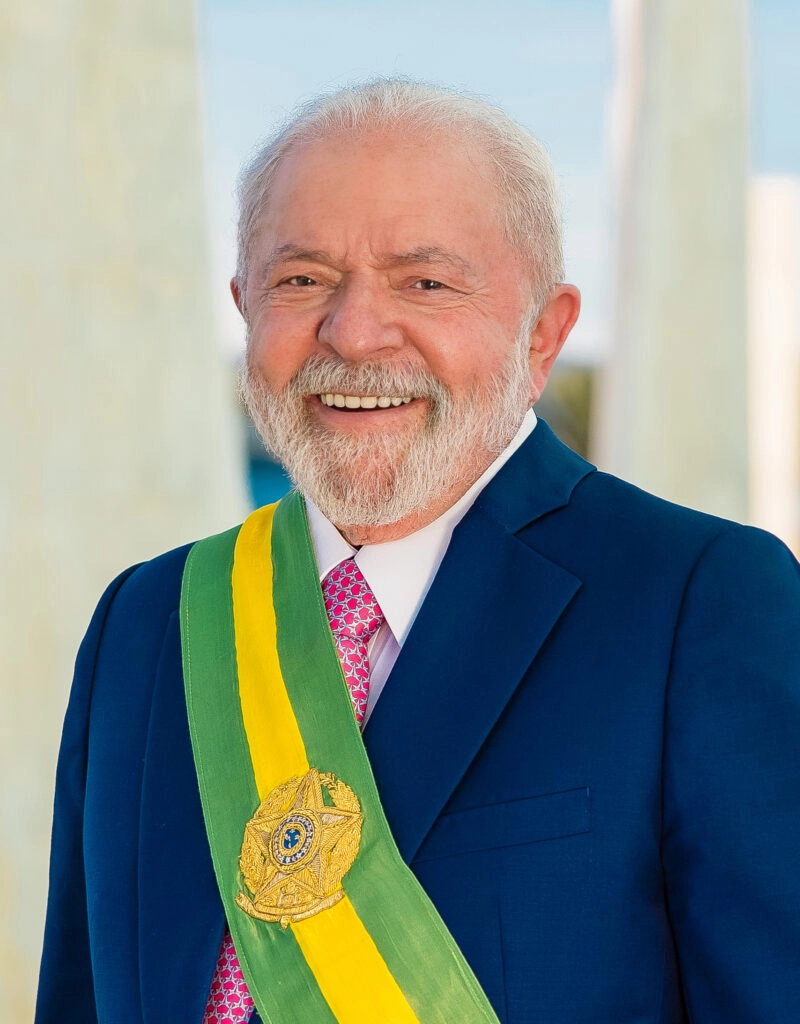
Brazilian President Luiz Inácio Lula da Silva is set to embark on an important visit to India, aimed at enhancing economic cooperation between the two nations amidst the backdrop of increasing tariff pressures from the United States. This visit is seen as a strategic move to strengthen ties with India, a rapidly growing economy, and to diversify Brazil’s trade partnerships. Lula’s administration is keen on exploring new avenues of collaboration, particularly in sectors such as agriculture, technology, and renewable energy, where both countries have significant potential for mutual benefit.
The economic relationship between Brazil and India has already shown promise, with both nations being part of the BRICS group, which also includes Russia, China, and South Africa. Lula’s visit is expected to include discussions on trade agreements that could mitigate the impact of U.S. tariffs, which have been a concern for many emerging markets. By fostering closer ties with India, Brazil aims to reduce its dependency on traditional markets and create new opportunities for its exporters, particularly in agriculture, where Brazil is a global leader.
Lula’s administration recognizes the importance of India not only as a market for Brazilian goods but also as a partner in addressing global challenges such as climate change and food security. Both nations have expressed a commitment to sustainable development, and this visit could pave the way for joint initiatives in renewable energy, particularly in solar and wind energy sectors. As both countries seek to play a more prominent role on the world stage, their partnership could emerge as a significant counterbalance to the influence of the United States and other Western powers.
In summary, Lula’s upcoming visit to India represents a crucial step for Brazil in redefining its economic strategy and building stronger alliances in a changing global landscape. By focusing on cooperation with India, Brazil is not only looking to bolster its economy but also to position itself as a leader in advocating for the interests of emerging markets. The outcomes of this visit could have lasting implications for both nations and their role in international trade dynamics.