A significant uproar erupted in Kolkata following a raid conducted by the Enforcement Directorate (ED) on the premises of the Indian Political Action Committee (IPAC). This incident has drawn considerable attention, both from the media and the public, as it raises questions about the political climate and the ongoing tension between state authorities and various political entities. The ED, an agency responsible for enforcing economic laws and fighting financial crimes, reportedly conducted the raid as part of an investigation into alleged irregularities. This action has sparked widespread protests and reactions from political leaders, particularly from the ruling party in West Bengal.
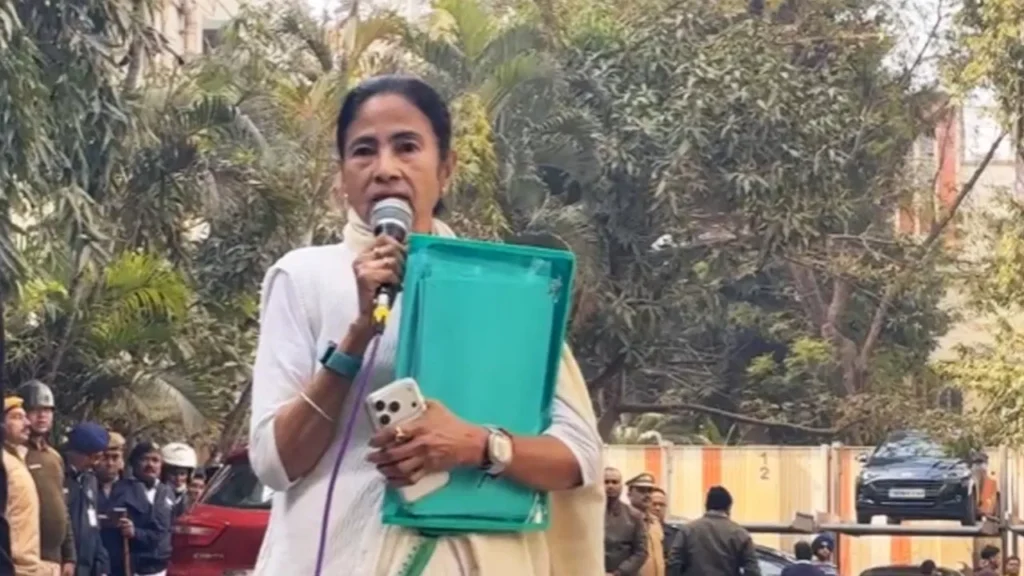
West Bengal Chief Minister Mamata Banerjee became directly involved in the incident, arriving at the scene to express her discontent with the ED’s actions. Her presence has amplified the situation, turning it into a significant political event. According to reports, Banerjee attempted to intervene by forcibly retrieving documents and files that were being taken by the ED officials, insisting that the raid was politically motivated and an attempt to undermine her government. Her actions have been viewed by many as a demonstration of defiance against what she perceives as an overreach by central authorities.
The confrontation has not only intensified political tensions in West Bengal but has also ignited discussions about the balance of power between state and central agencies. Supporters of Banerjee have rallied around her, condemning the ED’s actions and framing them as an assault on democracy. Critics, on the other hand, argue that the investigations are necessary to uphold accountability and transparency in political funding and operations. The incident reflects the broader struggle in Indian politics, where allegations of misuse of federal agencies for political gain have become increasingly common. As the situation unfolds, it remains to be seen how it will impact the political landscape in West Bengal and beyond.