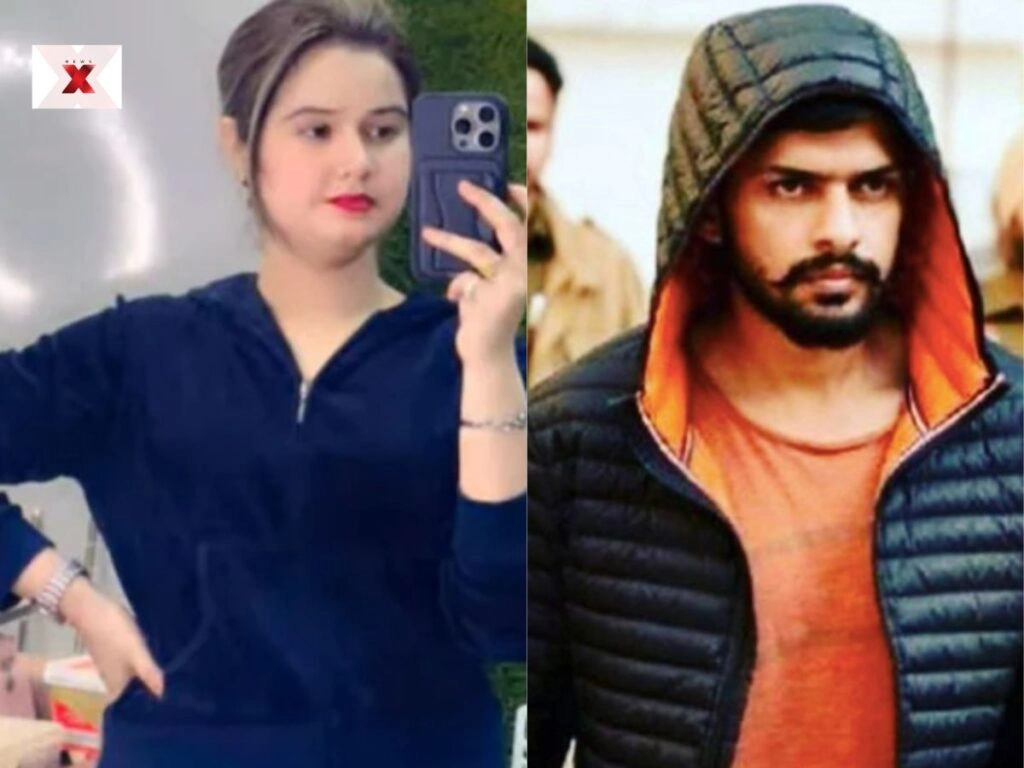
Khusnuma Ansari, also known as Neha, is a notable figure who has recently come into the spotlight due to her arrest in connection with a drug racket linked to the Lawrence Bishnoi gang. Once the owner of a beauty parlour, her transformation into a criminal figure has raised eyebrows and sparked discussions about the involvement of women in organized crime. Ansari’s alias, “Madam Zeher,” reflects her reputed role in the drug trade, marking her as the third female criminal figure to be apprehended in Delhi’s burgeoning underworld.
The arrest of Khusnuma Ansari brings to light the evolving dynamics of criminal enterprises, where women are increasingly taking on significant roles. Traditionally, organized crime has been male-dominated, but the rise of female figures like Ansari challenges this stereotype. Her case illustrates not only the extent of the drug trade in urban areas but also the societal factors that may drive individuals toward such illicit activities. As a beauty parlour owner, she represents a stark contrast to the violent image often associated with gang leaders, indicating a more complex narrative of crime that includes various societal layers.
Law enforcement agencies have intensified their efforts to dismantle drug networks, particularly those associated with notorious gangs such as that of Lawrence Bishnoi. The arrest of Khusnuma Ansari is part of a broader crackdown aimed at curtailing the influence of drug cartels in Delhi. Her involvement in the racket underscores the pervasive nature of drug-related crimes and the challenges faced by authorities in addressing these issues. As investigations continue, the implications of her arrest could lead to further revelations about the operational structures of such gangs and the role of women within them.