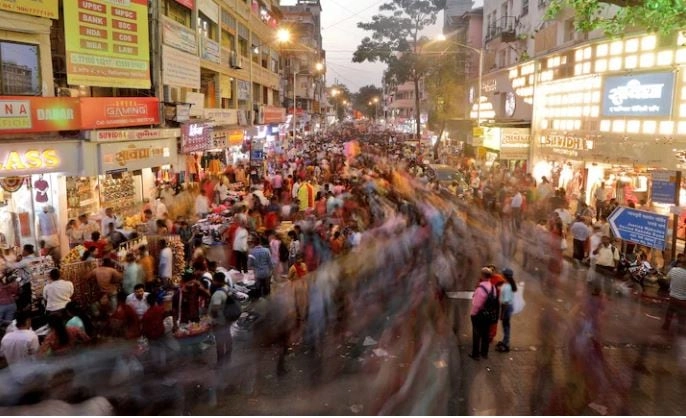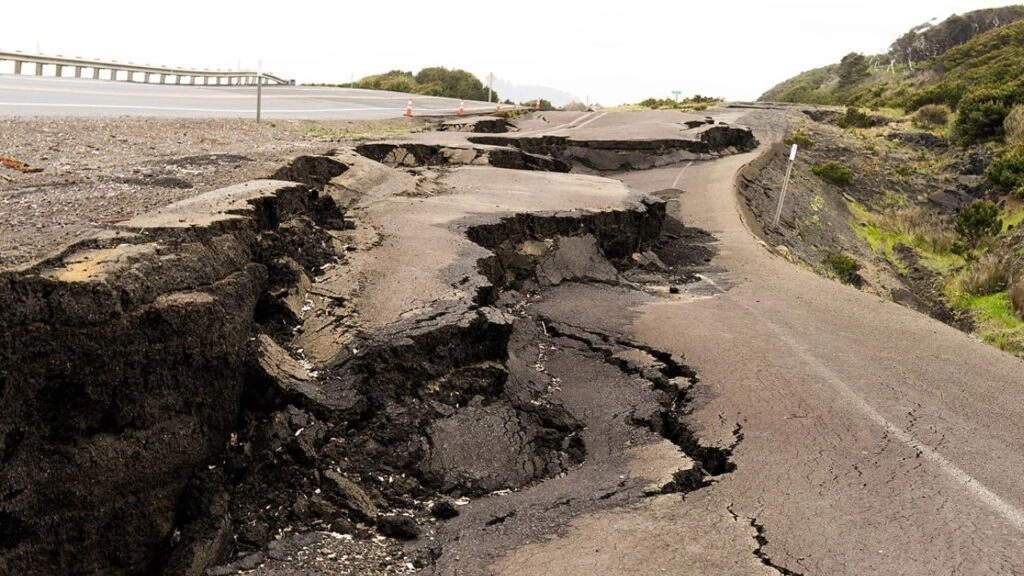
On New Year’s Day, the region of Kashmir was struck by a powerful earthquake that sent shockwaves through the communities, causing widespread panic among residents. As the tremors rattled buildings and homes, people rushed out of their houses, seeking safety and reassurance in the open air. The suddenness of the event left many in a state of shock, leading to chaos as families and individuals scrambled to escape the perceived dangers inside their homes.
The earthquake not only disrupted daily life but also triggered a wave of fear that permeated the air. People could be seen gathering in the streets, some crying and others trying to reach out to loved ones. The panic was palpable, with many expressing their concerns about aftershocks and the potential for further destruction. Emergency response teams mobilized quickly, assessing the damage and ensuring the safety of those in vulnerable situations. The local authorities urged residents to remain calm and to stay outdoors until the situation was deemed safe.
In the aftermath of the earthquake, community members began to take stock of the damage. Many homes sustained structural damage, and reports of injuries started to surface. The government and various organizations initiated relief efforts to provide support to those affected, including medical assistance and temporary shelter for those displaced. The tremors served as a stark reminder of the region’s geological vulnerabilities, prompting discussions about preparedness and resilience in the face of natural disasters.
As the dust settled, the people of Kashmir began to reflect on the New Year’s experience, recognizing both the fragility of life and the strength of community. While the immediate chaos was alarming, it also brought people together, as neighbors helped one another and offered support in a time of distress. The earthquake on New Year’s Day will be remembered not just for the fear it instilled but also for the unity it fostered among the resilient population of Kashmir.