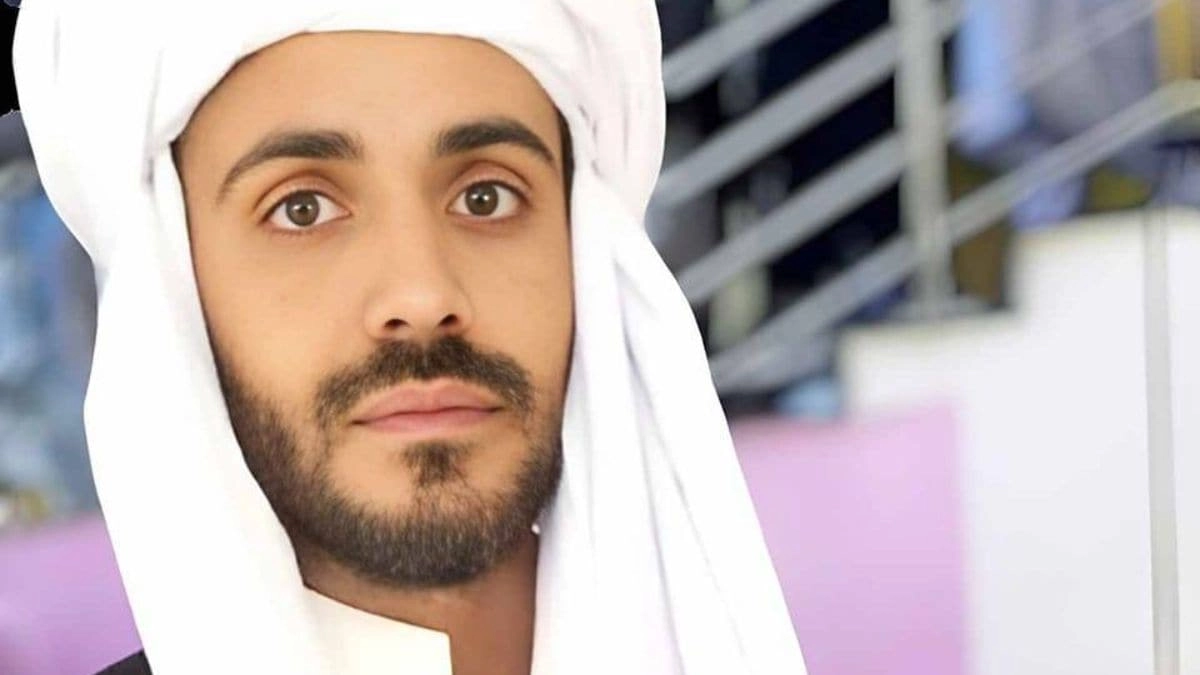
In a concerning development highlighting the ongoing struggles of journalists in Pakistan, a prominent reporter has received death threats following his vocal criticism of the situation in Balochistan. This incident underscores the perilous environment for media professionals in the country, particularly those who dare to address sensitive topics such as human rights violations and state policies. The journalist, who has bravely brought attention to the crisis in Balochistan, is now facing severe repercussions for his work, reflecting a broader trend of intimidation and violence aimed at those who challenge the status quo.
Balochistan, a resource-rich province in Pakistan, has been marred by conflict for decades, with various groups advocating for greater autonomy and the protection of their rights. The region has witnessed widespread human rights abuses, including enforced disappearances and extrajudicial killings, often perpetrated by state security forces. In this context, the journalist’s efforts to shed light on these issues are not just a matter of reporting but a crucial act of bravery in the face of potential violence. His calls for action resonate not only within the media community but also among human rights activists and civil society organizations that are striving to amplify the voices of the marginalized.
The threats against the journalist have sparked outrage among fellow reporters and advocates for press freedom, who have rallied in support of his right to report without fear of retaliation. They emphasize the need for the government and international bodies to take concrete steps to protect journalists and ensure their safety, particularly in regions like Balochistan where dissent is met with hostility. The situation serves as a stark reminder of the challenges faced by those who seek to inform the public and hold authorities accountable in a climate of fear and repression.
As the international community continues to monitor the situation in Pakistan, it is imperative that concerted efforts are made to address the Balochistan crisis and the systemic issues that contribute to the targeting of journalists. Advocates are calling for a comprehensive approach that includes legal protections for media personnel, transparency in investigations of threats, and support for platforms that promote free expression. The fate of journalists like the one who received death threats hangs in a delicate balance, and their safety is intrinsically linked to the broader struggle for human rights and freedom of expression in Pakistan. Only through collective action can the cycle of violence and intimidation be broken, allowing for a more open and democratic society where diverse voices can be heard and respected.