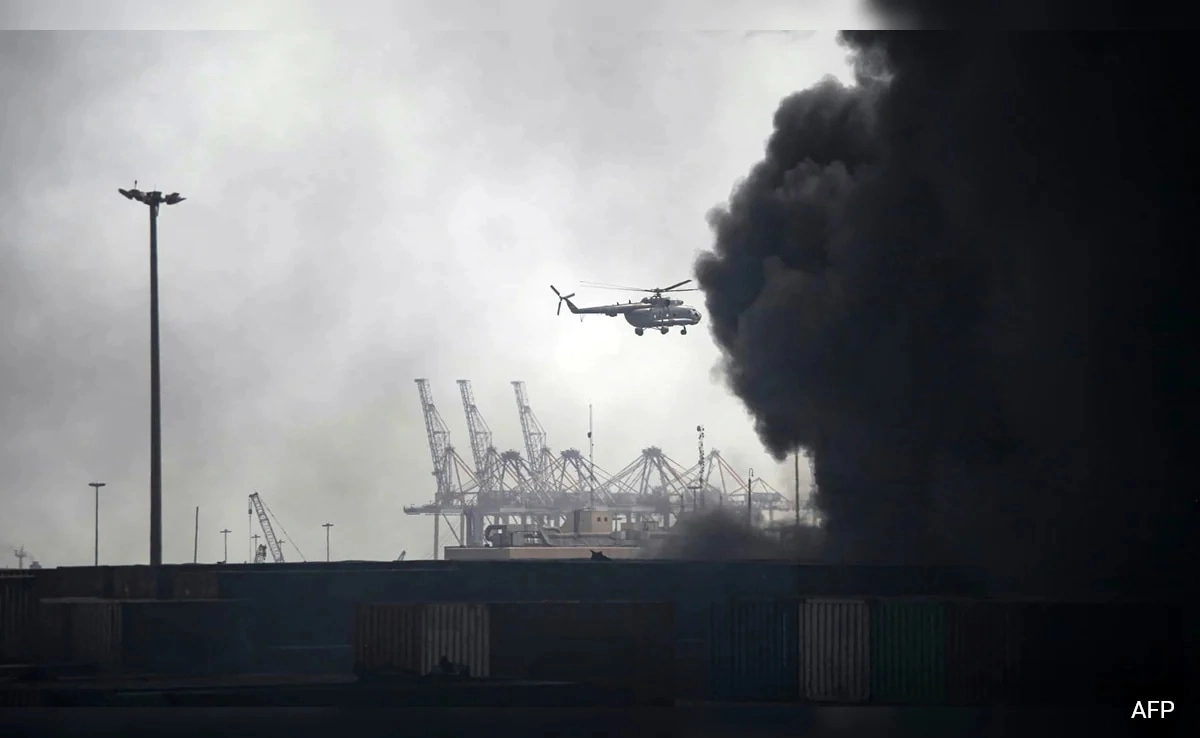
In a dramatic escalation of hostilities in the region, Israel resumed its bombing campaign in Gaza shortly after the release of hostages held by Hamas. The timing of the airstrikes has raised concerns and intensified scrutiny, as the humanitarian situation in Gaza continues to deteriorate. The bombings targeted key locations, including hospitals, which have already been overwhelmed by the influx of casualties from previous conflicts. This latest wave of attacks underscores the complexity of the situation, as both military objectives and humanitarian crises intersect in a deadly cycle of violence.
The release of hostages, while a momentary glimmer of hope, did not bring a lasting ceasefire or a halt to military operations. Instead, it seems to have coincided with an uptick in military actions, raising questions about the strategic calculations behind such decisions. The bombings have reportedly led to further civilian casualties, exacerbating the already dire conditions faced by the residents of Gaza. Medical facilities, already struggling to cope with the overwhelming number of injured, find themselves in the crosshairs, which is particularly alarming given their critical role in providing care amid the chaos of war.
International reactions to the renewed bombings have been varied, with calls for restraint and urgent humanitarian assistance gaining momentum. Human rights organizations have condemned the attacks on hospitals, urging all parties to adhere to international humanitarian law, which mandates the protection of medical facilities and personnel during conflicts. The situation remains fluid, and as the international community grapples with the implications of this renewed violence, the plight of civilians in Gaza has become increasingly precarious. With each airstrike, the hope for a peaceful resolution appears to diminish further, leaving many to wonder how long this cycle of violence can persist without a meaningful dialogue or resolution.