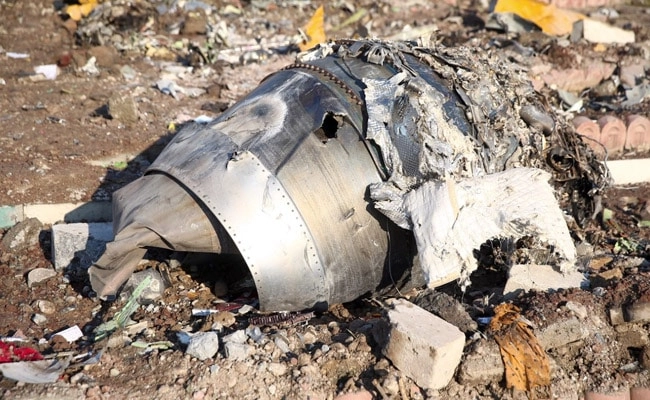
Iran has initiated legal proceedings against Canada, Sweden, Ukraine, and the United Kingdom in the International Court of Justice (ICJ), challenging their roles and responses following the tragic downing of Ukraine International Airlines Flight PS752. The incident, which occurred in January 2020, resulted in the loss of all 176 passengers and crew members on board, sparking outrage and calls for accountability across the globe. Iran’s legal action comes amidst a backdrop of ongoing tensions and complex diplomatic relations involving these nations, all of which had citizens aboard the ill-fated flight.
In its filing with the ICJ, Iran is contesting the actions taken by these countries in the aftermath of the disaster, particularly with regard to their investigations and the public statements made about Iran’s responsibility for the incident. The Iranian government has maintained that the downing of the aircraft was a tragic mistake made during heightened military tensions, coinciding with the U.S. assassination of Iranian General Qassem Soleimani. This incident, Iran argues, has been exploited by foreign governments to further their political agendas against the Islamic Republic, and it seeks to challenge what it views as misleading narratives that have emerged in the wake of the tragedy.
The families of the victims have been vocal in their demands for justice and accountability, pushing for thorough investigations and reparations from Iran. The legal proceedings initiated by Iran may complicate these efforts, as international law and diplomatic relations come into play. The case emphasizes not only the human tragedy involved but also the broader geopolitical ramifications of the incident and the ongoing struggles for justice as the involved nations navigate their respective positions within the international community. As this legal battle unfolds, it will be closely watched, with potential implications for both international law and the relationships between Iran and the countries involved.