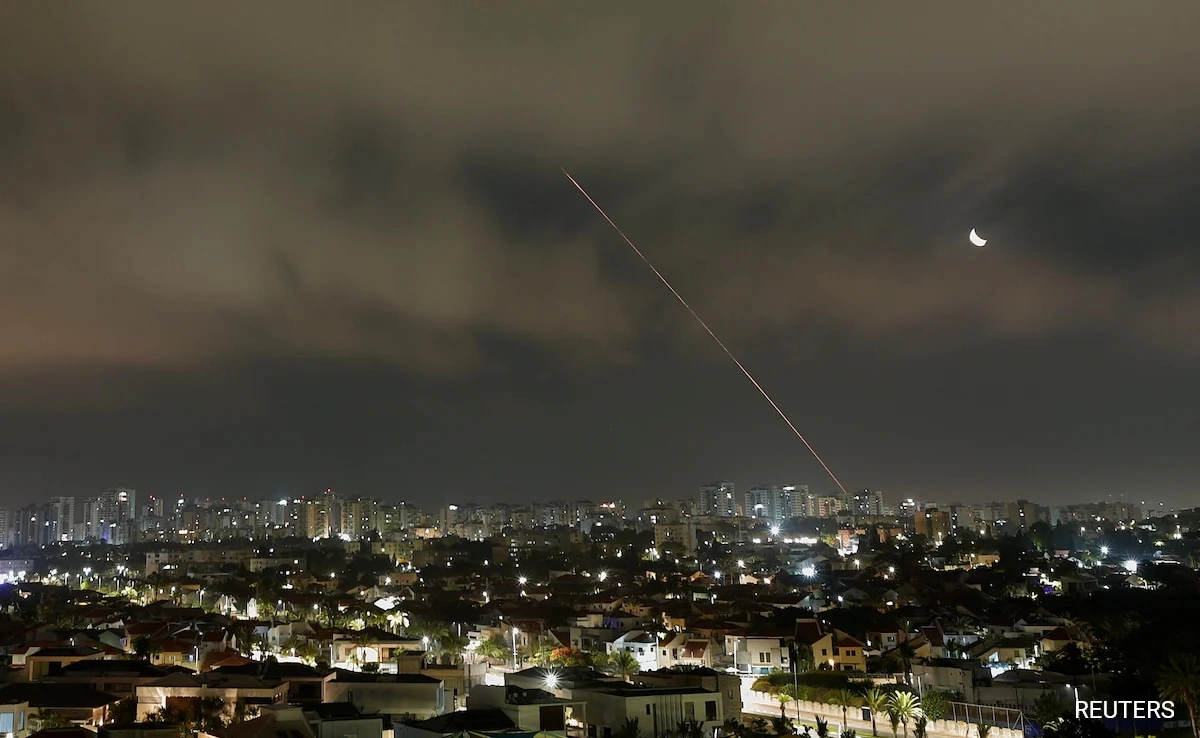
In a significant escalation of the ongoing conflict between Israel and Iran, former President Donald Trump has publicly urged Iran to cease hostilities immediately. His remarks come on the heels of a series of U.S. military actions targeting Iranian nuclear sites, which have raised tensions in the already volatile region. The U.S. strikes, aimed at degrading Iran’s nuclear capabilities, are part of a broader strategy to curb the nation’s influence and military ambitions in the Middle East. Trump’s call for an end to the conflict reflects concerns about the potential for a larger war, which could destabilize the region further and threaten global security.
The conflict between Israel and Iran has deep historical roots, with both nations viewing each other as existential threats. Israel perceives Iran’s nuclear program as a direct challenge to its survival, while Iran supports militant groups in the region that oppose Israeli interests. In recent months, the situation has intensified, with a series of attacks and counterattacks, leading to fears of a wider confrontation. The U.S. involvement, particularly under the current administration, signifies a renewed commitment to countering Iranian aggression and ensuring Israel’s security. As the situation unfolds, the international community watches closely, concerned about the implications of a prolonged conflict in the Middle East.
In light of these developments, diplomatic efforts to de-escalate tensions are more crucial than ever. While Trump’s statement may resonate with certain factions within the U.S. and Israel, it also highlights the complexities of the situation. Iran’s leadership has shown a willingness to engage in negotiations, but the prerequisites for such talks remain contentious. The recent military actions by the U.S. could complicate any potential dialogue, as Iran may perceive them as acts of aggression rather than as a pathway to peace. The potential for miscalculation remains high, and the repercussions of further military actions could spiral beyond the control of individual states.
As the world watches these developments, it is clear that the stakes are high. An all-out war involving Israel, Iran, and potentially other regional players would have catastrophic consequences, not just for those directly involved but for global stability. The calls for peace, such as those from Trump, must be matched with concrete actions and diplomatic initiatives that aim to address the underlying issues fueling this conflict. In a landscape marked by deep-seated animosities and geopolitical rivalries, finding a path to peace will require unprecedented levels of cooperation and commitment from all parties involved.