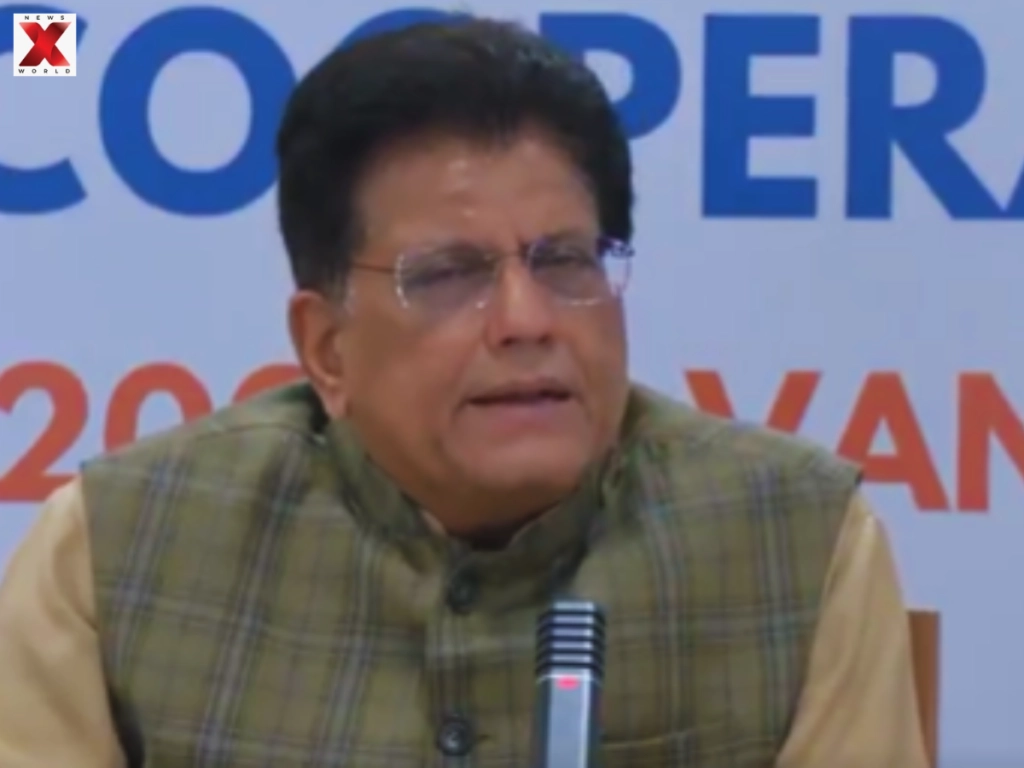
India’s trade ecosystem is undergoing a significant transformation under the leadership of Prime Minister Narendra Modi, as highlighted by Union Minister Piyush Goyal. This transformation is characterized by a series of innovative reforms aimed at enhancing trade efficiencies, boosting exports, and integrating India more closely into the global economy. The government’s focus on infrastructure development, digitalization, and policy simplification has created a more conducive environment for businesses to thrive. These initiatives not only aim to attract foreign investment but also empower local entrepreneurs, enabling them to compete on a global scale.
One of the key aspects of this transformation is the push for ‘Make in India,’ which encourages domestic manufacturing and aims to position India as a global manufacturing hub. By fostering a culture of innovation and skill development, the government is working to create a workforce that is not only skilled but also adaptable to the evolving demands of the global market. Additionally, the introduction of various trade agreements and partnerships is set to enhance India’s export potential, opening new avenues for Indian products in international markets.
Piyush Goyal emphasized that these changes are not merely administrative but represent a cultural shift within the Indian business landscape. The focus on sustainability and green practices is also becoming increasingly important, as India aims to align its trade policies with global environmental standards. This holistic approach to trade and commerce is expected to catalyze economic growth and elevate India’s position in the global trade hierarchy, making it a formidable player on the world stage.
In conclusion, under PM Modi’s leadership, India’s trade ecosystem is on a trajectory of rapid transformation, characterized by a blend of modernization, inclusivity, and sustainability. The efforts being made today are not just for immediate benefits but are strategically aimed at ensuring long-term growth and resilience in the face of global challenges. As these reforms take root, India is poised to emerge as a significant force in global trade, with a robust and dynamic economy that can adapt to the changing tides of international commerce.