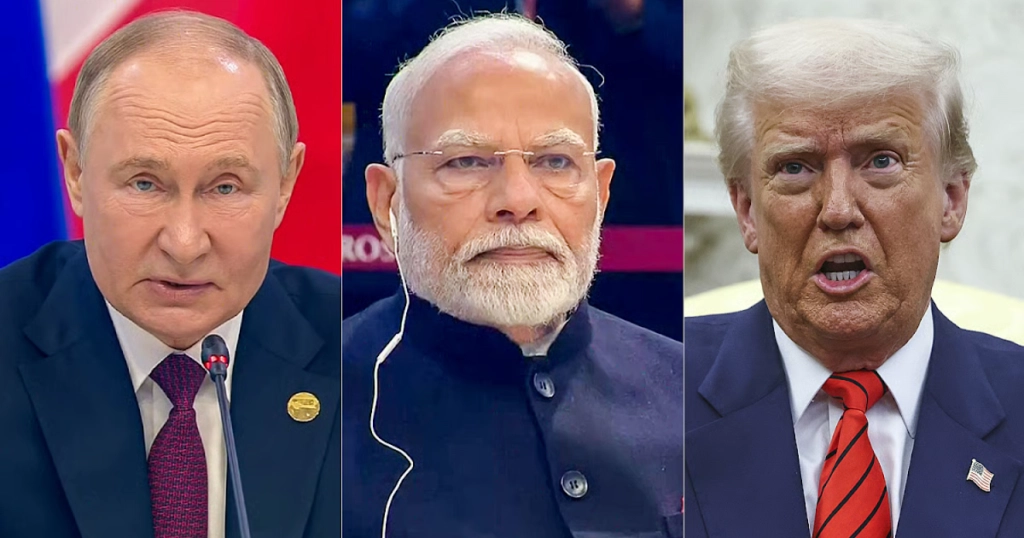
India recently made a significant decision that could have wide-ranging implications for its economy and international relations. This move is seen as a crucial step in asserting its sovereignty and addressing pressing domestic challenges. By prioritizing its own interests, India is positioning itself as a key player on the global stage, particularly in the context of shifting geopolitical dynamics. This decision reflects the country’s commitment to fostering growth and stability while navigating complex global issues.
On the other hand, former President Donald Trump’s strict policies have proven to be less effective than anticipated. While his administration aimed to take a hardline stance on various international matters, the outcomes suggest that such an approach may not yield the desired results. The effectiveness of these policies has come under scrutiny, with critics arguing that they have sometimes alienated potential allies and exacerbated tensions. This situation underscores the complexities of international relations, where rigid strategies can often lead to unintended consequences.
Interestingly, Russia appears to be satisfied with the current state of affairs, possibly benefiting from the shifts in global power dynamics. As countries like India make decisions that assert their independence, Russia is likely finding opportunities to strengthen its own influence. This development may lead to new alliances and partnerships, reshaping the landscape of international diplomacy. As nations navigate these changes, the interplay between their respective strategies will be critical in determining future outcomes on the global stage.