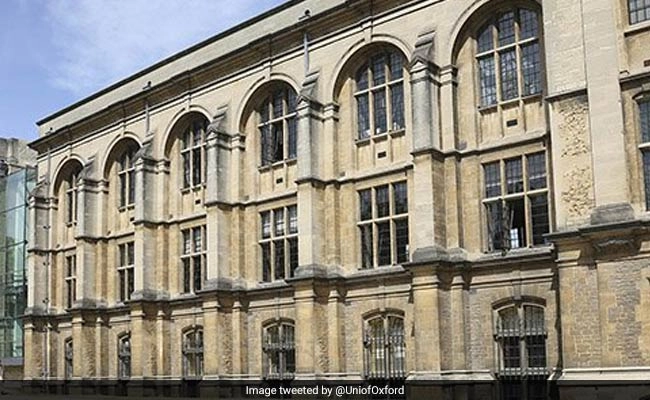
An Indian-origin barrister has recently faced disbarment after being found guilty of falsely claiming to possess a medical degree from the prestigious University of Oxford. This incident has sparked considerable attention within the legal community and raised questions about the integrity of professional qualifications. The barrister, who had built a career in law, used the fraudulent claim to enhance their credibility and attract clients, ultimately leading to a serious breach of trust.
The investigation into the barrister’s qualifications revealed that not only did they lack the alleged medical degree, but they had also misrepresented their educational background on multiple occasions. Such actions not only undermine the credibility of the legal profession but also highlight the potential vulnerabilities within the system that allow for such deception. The barrister’s case serves as a stark reminder of the importance of verifying credentials and the consequences that can follow when individuals attempt to elevate their status through dishonest means.
Disbarment is a severe consequence, typically reserved for the most egregious violations of professional conduct. In this case, the barrister’s actions were deemed detrimental not only to their own career but also to the reputation of the legal profession as a whole. The ruling serves as a cautionary tale for both legal practitioners and aspirants, emphasizing the necessity of integrity and transparency in professional dealings. The legal community must uphold high standards to maintain public trust, and this incident underscores the need for vigilance against fraud and misrepresentation in all forms.
This disbarment raises broader implications regarding the verification of credentials in professional fields, particularly in law and medicine, where trust and integrity are paramount. As society increasingly relies on professional expertise, it becomes crucial to implement more robust measures for credential verification to prevent similar occurrences in the future. The case of the disbarred barrister serves as both a warning and a call to action, encouraging institutions to prioritize ethics and accountability in their operations.