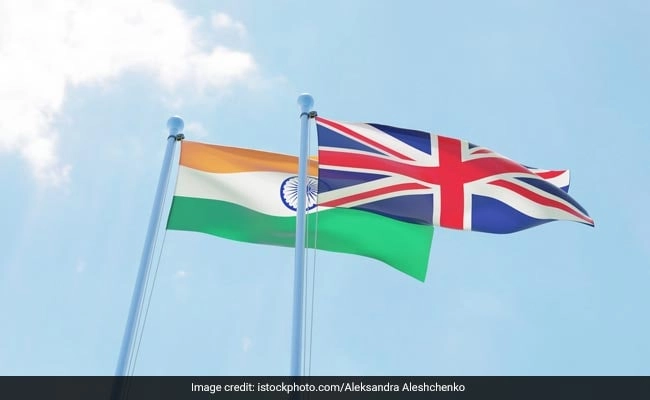
The India-UK Free Trade Deal signifies a pivotal moment for economic collaboration between the two nations, particularly in empowering Indian women across various sectors. As the agreement unfolds, it is poised to create a plethora of opportunities that can significantly enhance women’s participation in the workforce. By reducing trade barriers and facilitating smoother market access, the deal opens doors for women entrepreneurs and workers, particularly in areas such as textiles, agriculture, and technology. This empowerment is not merely a byproduct of economic growth; it is a strategic initiative that recognizes the critical role women play in sustainable development and economic stability.
One of the most promising aspects of the deal is its focus on sectors that traditionally employ a significant number of women. For instance, the textile industry, known for its large female workforce, is likely to benefit from reduced tariffs and increased exports to the UK market. This could lead to job creation and better wages for women, who often find themselves in precarious employment situations. Similarly, the agricultural sector, where women are integral to production and supply chains, stands to gain from improved market access and investment opportunities. By fostering an environment that supports women’s participation, the deal can contribute to breaking down the social and economic barriers that have historically limited their roles.
Furthermore, the deal emphasizes the importance of skill development and capacity building for women. Collaborative initiatives between India and the UK can facilitate training programs aimed at enhancing women’s skills in various industries, particularly in technology and digital services. Such programs not only empower women with the necessary tools to thrive in a competitive job market but also promote gender equality in sectors where they have been underrepresented. The focus on skill development aligns with global goals of gender parity and economic inclusivity, ensuring that women are not just passive beneficiaries of growth but active contributors to the economy.
In addition to economic benefits, the India-UK Free Trade Deal carries the potential for fostering cultural exchange and collaboration on social issues affecting women. By promoting dialogue and partnerships between organizations in both countries, the deal encourages the sharing of best practices in women’s empowerment initiatives. This collaborative approach can lead to innovative solutions addressing challenges such as gender-based violence, access to education, and health services. As both nations work towards achieving sustainable development goals, the empowerment of women through this trade agreement can serve as a model for other countries seeking to enhance gender equity in their economic frameworks.
In conclusion, the India-UK Free Trade Deal represents a significant opportunity for empowering Indian women across various sectors. By facilitating economic growth, promoting skill development, and fostering cultural exchanges, the agreement has the potential to transform the landscape for women in India. As both nations embrace this collaborative journey, it is essential to recognize and harness the capabilities of women, ensuring their active participation in the economy and paving the way for a more inclusive and equitable future.