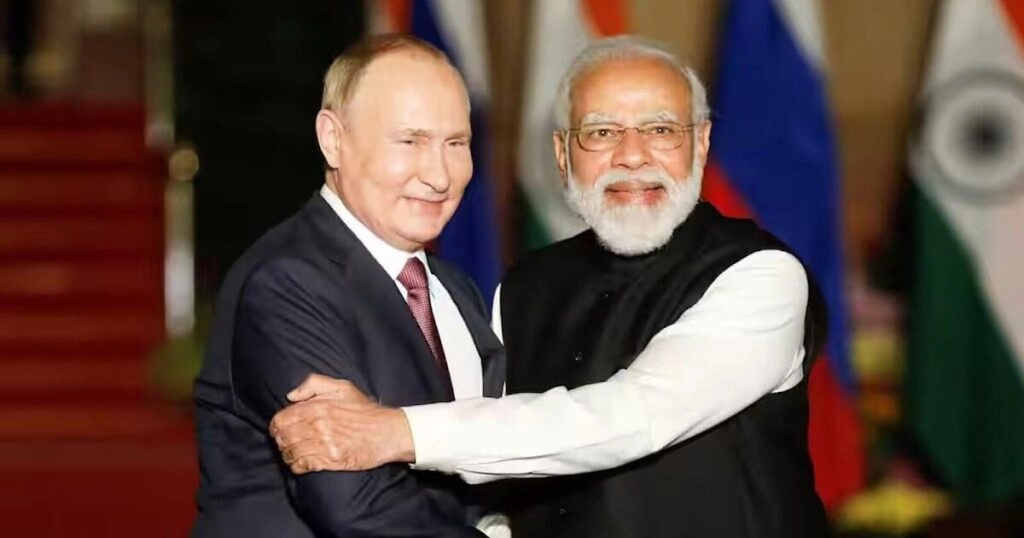
India and Russia have recently formulated a significant strategic partnership that has raised eyebrows in the United States. This alliance encompasses various sectors, including defense, trade, and technology, aiming to bolster their respective national interests while potentially countering Western influence. The collaboration signals a shift in global power dynamics, as both nations seek to enhance their geopolitical standing. The implications of this partnership are profound, especially given the current tensions between the U.S. and both nations.
The defense sector is a focal point of the India-Russia collaboration, with India relying heavily on Russian military hardware and expertise. Recent agreements have led to joint military exercises and co-development of advanced weaponry, which not only strengthens India’s defense capabilities but also reinforces Russia’s position as a key arms supplier. This burgeoning military relationship has caught the attention of American officials, who are concerned about the potential ramifications for regional stability, particularly in light of China’s growing influence.
Additionally, the economic ties between India and Russia are expanding, with both countries looking to enhance trade relations. This development poses a challenge to American economic interests in the region, as India has historically been seen as a key partner for the U.S. in counterbalancing China’s rise. Donald Trump, the former U.S. president, has expressed his astonishment at the speed and depth of this partnership, highlighting the need for a recalibrated approach to U.S. foreign policy in the face of such shifting alliances.
As this partnership continues to evolve, the global landscape may witness significant changes, leading to new alliances and rivalries. The ramifications of the India-Russia collaboration will likely be felt across various spheres, from military to economic, and will require careful navigation by the United States to maintain its influence in the region.