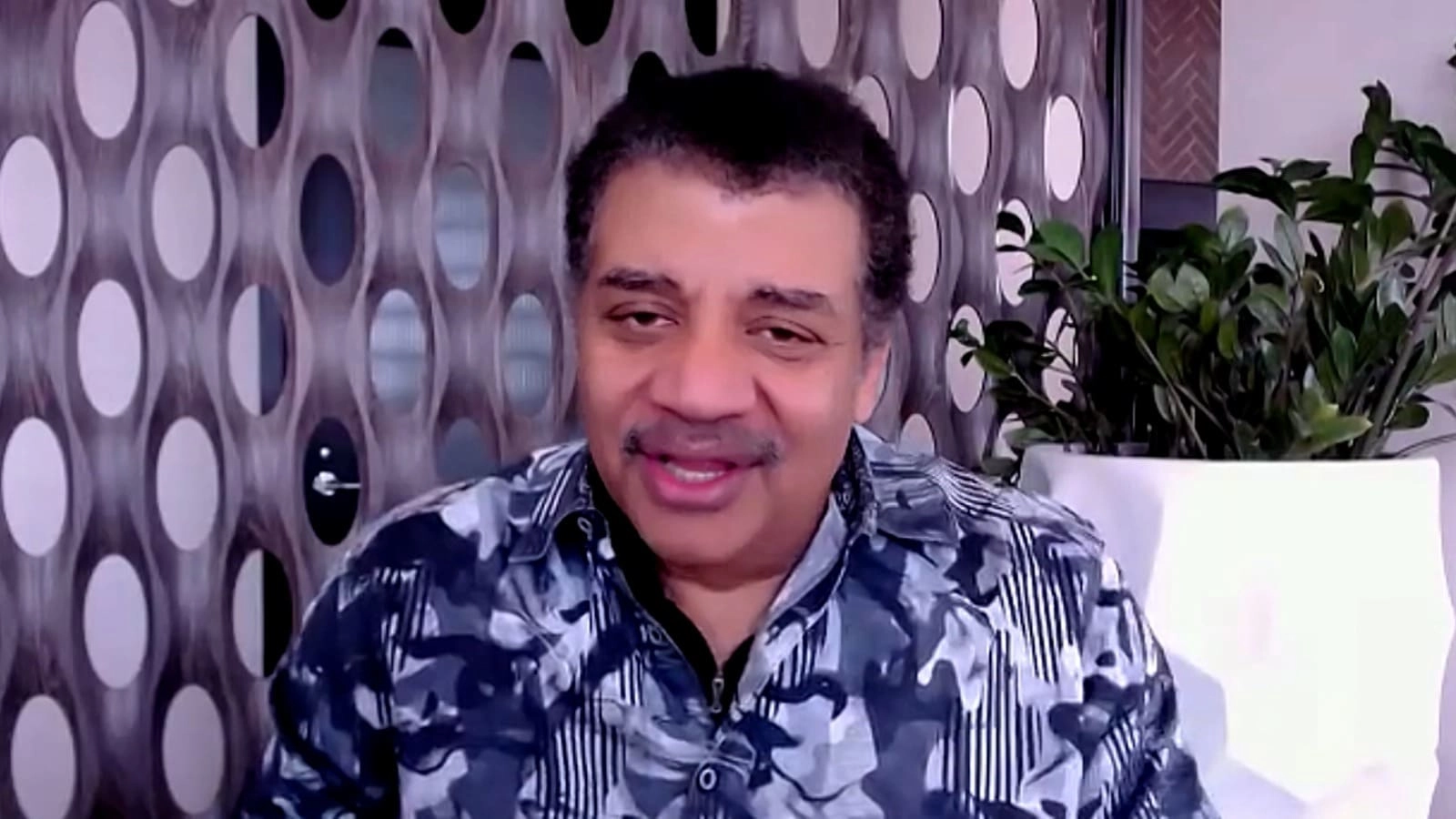
In a recent discussion, renowned astrophysicist Neil deGrasse Tyson shared his thoughts on astronaut Sunita Williams’ recovery following her time in space. Williams, known for her extensive experience in space missions and her remarkable endurance, faced the challenges of readjusting to life on Earth after prolonged exposure to microgravity. Tyson, with his characteristic blend of scientific insight and relatable commentary, emphasized the unique physiological challenges astronauts encounter upon returning home. The transition from a weightless environment back to Earth’s gravitational forces can be daunting, resulting in various physical and psychological effects.
Tyson’s remarks highlight the significance of ongoing research into the impacts of space travel on human health, particularly as space agencies prepare for future missions to the Moon and Mars. He pointed out that understanding and mitigating these effects is crucial not only for the well-being of astronauts but also for the success of longer missions that will be essential for humanity’s exploration of the cosmos. In this context, Tyson’s reference to “plastic cups for now” serves as a metaphor for the temporary nature of our current solutions. It underscores the need for innovative advancements in technology and medicine that can better support astronauts during their recovery phases.
The conversation also touched on the broader implications of space exploration and human resilience. Williams’ determination to overcome the challenges of her recovery mirrors the spirit of exploration that has driven humanity to push the boundaries of what is possible. Tyson celebrated her accomplishments, reminding us that each astronaut’s journey is not just about individual achievement but also about contributing to our collective understanding of life beyond Earth. As we venture further into space, we must remain cognizant of the importance of supporting those who dare to explore the unknown, ensuring they have the resources and knowledge necessary for their safe return and successful reintegration into life on our home planet.
In conclusion, Neil deGrasse Tyson’s reflections on Sunita Williams’ recovery illuminate the intricate dance between human physiology and the rigors of space travel. His insights serve as both a tribute to the resilience of astronauts and a call to action for continued research and development in the field of space medicine. As we look to the future of space exploration, it is imperative that we prioritize the health and safety of those who venture into the unknown, investing in innovative solutions that will enhance their recovery and prepare them for the next great adventure among the stars.