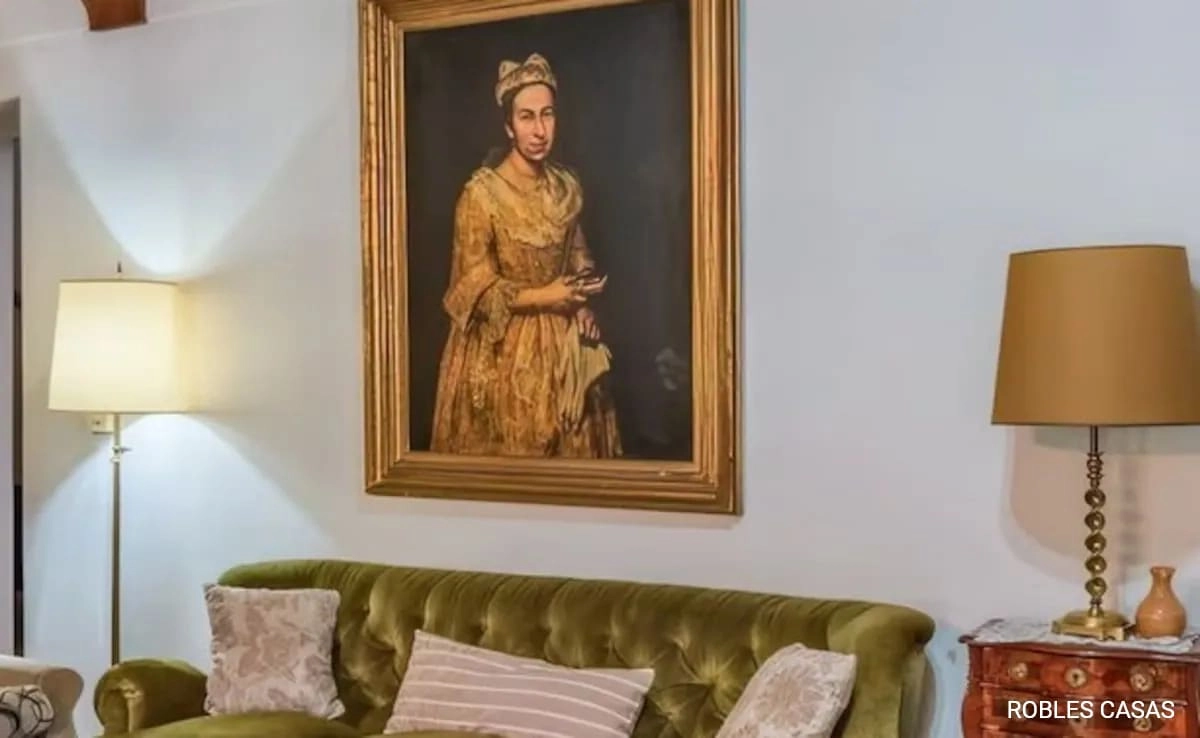
In a remarkable twist of fate, a collection of art stolen by a high-ranking aide of Adolf Hitler has resurfaced in Argentina, drawing attention from historians and art enthusiasts alike. This intriguing narrative begins during the tumultuous years of World War II when the Nazi regime orchestrated extensive looting across Europe, seizing countless artworks from Jewish families and cultural institutions. Among the perpetrators was Hermann Göring, a leading figure in the Nazi hierarchy, known for his extravagant taste and obsession with art. His acquisition of stolen pieces led to a vast collection, much of which was lost or unaccounted for in the aftermath of the war.
Decades later, the story takes a captivating turn as these artworks, hidden away for years, find their way to Argentina. The country’s historical context, marked by a significant influx of European immigrants and its own post-war political complexities, provides a fertile ground for art trafficking. As these stolen masterpieces began to surface in the South American country, they sparked a renewed interest in their origins. Art historians and investigators embarked on a quest to trace the lineage of these pieces, aiming to reunite them with their rightful owners or their descendants.
However, the unfolding events took an unexpected direction. As the investigation deepened, it became clear that the artworks were not just relics of a dark past; they embodied a narrative of survival and resilience. Argentine art collectors and institutions found themselves at a crossroads, grappling with the ethical implications of possessing such items. The art world was forced to confront difficult questions about ownership, restitution, and the legacy of cultural heritage. The dialogue surrounding these stolen pieces evolved into a broader conversation about the responsibility of contemporary society to acknowledge and rectify historical injustices related to art theft.
As discussions continue, the saga of the stolen art serves as a poignant reminder of the complexities intertwined with cultural artifacts. The journey of these pieces from Nazi Germany to Argentina highlights not only the impact of war on cultural heritage but also the enduring significance of art as a means of storytelling and historical reflection. The strange twist of fate that brought these paintings to Argentina invites us to reconsider our relationship with the past and the narratives that shape our understanding of art and its rightful place in society. Ultimately, this story is not just about stolen art; it is about the enduring quest for justice and the power of art to transcend time and trauma.