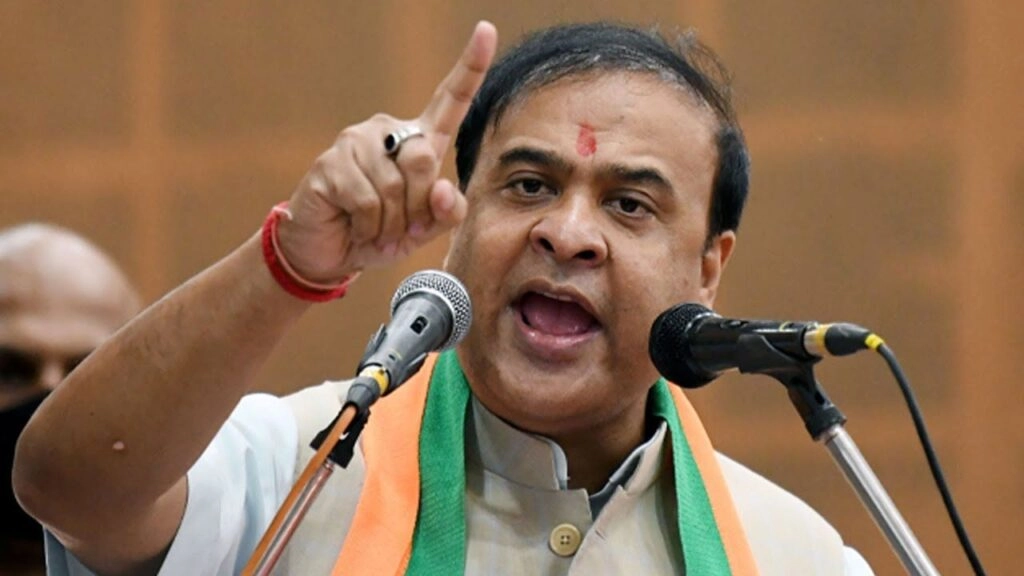
Himanta Biswa Sarma’s strong reaction to Humayun Kabir’s remarks regarding the Babri Masjid has sparked considerable controversy. In a statement that seems to challenge the very essence of historical narratives, Sarma expressed his views with a tone marked by intensity. He suggested that when something ceases to hold its authenticity or reality, the implications of that loss can be profound. This perspective raises questions about how history is interpreted and the significance of cultural symbols in contemporary society.
The Babri Masjid, a mosque in Ayodhya, India, has been a focal point of tension and debate for decades, representing not just a place of worship, but also a battleground for religious and political identities. The controversy surrounding it reflects deeper societal divisions and the ongoing struggle for recognition and rights among various communities. Sarma’s comments could be seen as an attempt to redefine or reinterpret this historical event and its aftermath, which has left a lasting impact on Indian politics and communal relations.
This incident highlights the complexities involved in discussions about historical landmarks and their meanings. As figures like Sarma engage in public discourse, their statements can influence perceptions and fuel ongoing debates about heritage, identity, and truth. The reaction to his comments underscores the sensitivity surrounding the topic of the Babri Masjid and the emotions it evokes across different segments of society. In this context, such declarations not only reflect individual viewpoints but also resonate with larger ideological battles that continue to shape the nation’s narrative.