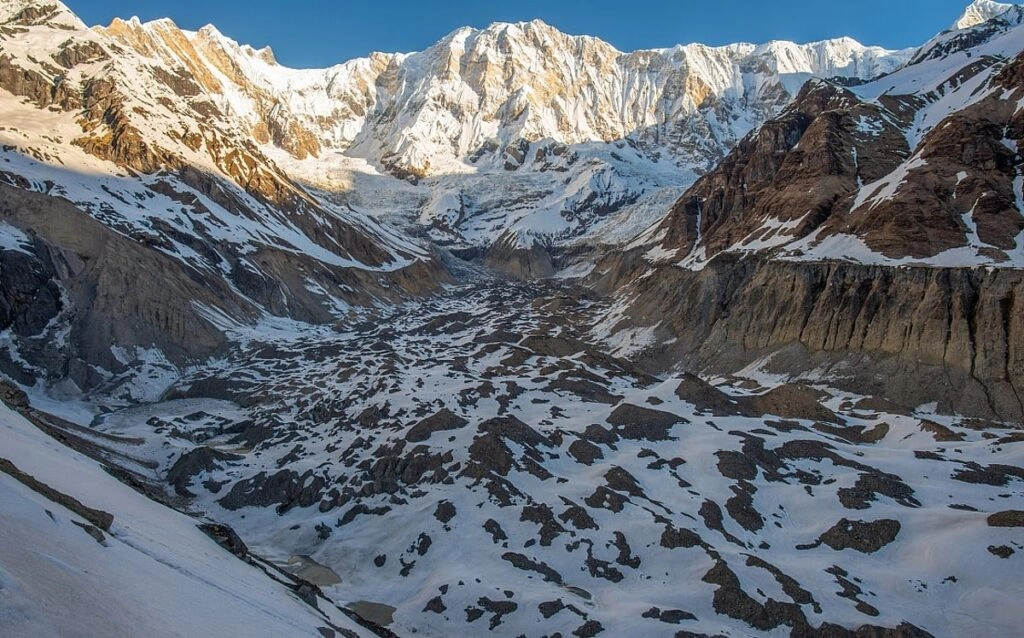
The Himalayan region, known for its majestic peaks and crucial water sources, is facing a dire situation due to a significant lack of snowfall. This alarming trend poses a serious threat not only to the delicate ecosystem of the Himalayas but also to the millions of people who depend on the rivers that originate from this mountain range. The Ganga and Yamuna rivers, two of the most vital water sources for northern India, are particularly at risk. As the glaciers that feed these rivers shrink due to insufficient snowfall, the consequences could be catastrophic, leading to severe water shortages in the coming years.
Experts warn that if the current patterns of reduced snowfall continue, we could witness a water crisis as early as 2026. This looming crisis highlights the urgency of addressing climate change and its impact on our natural resources. The Himalayan glaciers serve as a critical water reservoir, storing vast amounts of freshwater that are released gradually over time. Without adequate snowfall to replenish these glaciers, the flow of water into the Ganga and Yamuna will diminish, affecting agriculture, drinking water supplies, and hydropower generation in the region.
Moreover, the implications of this water crisis extend beyond immediate shortages. The Ganga and Yamuna rivers are not just lifelines for millions; they also hold immense cultural and spiritual significance for many communities. The potential depletion of these rivers could disrupt traditional practices and livelihoods, leading to increased social tensions and migration as people seek water and resources elsewhere. To mitigate these risks, it is essential to implement sustainable water management practices and prioritize conservation efforts in the Himalayas. The situation demands collective action from governments, environmental organizations, and local communities to safeguard this critical region and ensure a stable water future for the generations to come.