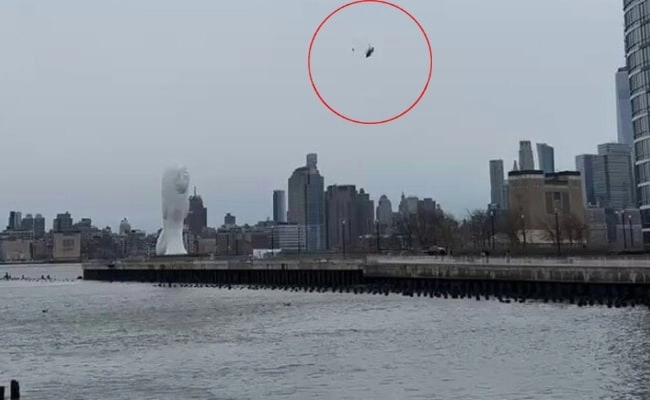
A recent video has emerged capturing the dramatic moment a helicopter crashed into the Hudson River in New York. This incident, which unfolded in broad daylight, highlights the inherent risks associated with aerial travel, particularly in densely populated urban areas. As the helicopter descended rapidly, witnesses on the ground and nearby boats recorded the harrowing scene, showcasing the moments of chaos that followed the crash. The footage reveals not only the immediate aftermath of the incident but also the response of emergency services as they rushed to the scene to assist potential survivors and secure the area.
In the video, the helicopter can be seen making an unusual maneuver before losing altitude and plunging into the river. Eyewitness accounts describe a loud noise followed by a splash, which drew the attention of nearby pedestrians and boaters. The swift response of first responders was crucial; they were able to reach the site within minutes, launching boats to search for any occupants who may have been ejected or trapped within the submerged wreckage. The quick actions of bystanders, who reported the crash to authorities, also played a vital role in ensuring that help arrived promptly.
Investigations into the cause of the crash are currently underway, with aviation experts examining various factors that may have contributed to the incident. Preliminary reports suggest that mechanical failure could be a potential cause, but officials have not ruled out other possibilities. The Federal Aviation Administration (FAA) is involved in assessing the situation and will likely conduct a thorough investigation to determine the exact circumstances surrounding the crash. As safety protocols are reviewed, the incident raises pertinent questions about air traffic management in busy urban environments and the safety measures implemented for helicopter operations.
The crash serves as a stark reminder of the unpredictability of aviation and the importance of stringent safety regulations. While helicopter travel offers unique advantages, including aerial views and quick transport, it also comes with significant risks that must be managed effectively. As the investigation continues, the community is left to reflect on the event and its implications for future air travel in New York City. The resilience of both emergency responders and civilians in the face of such crises highlights the collective effort required to ensure public safety in urban settings.