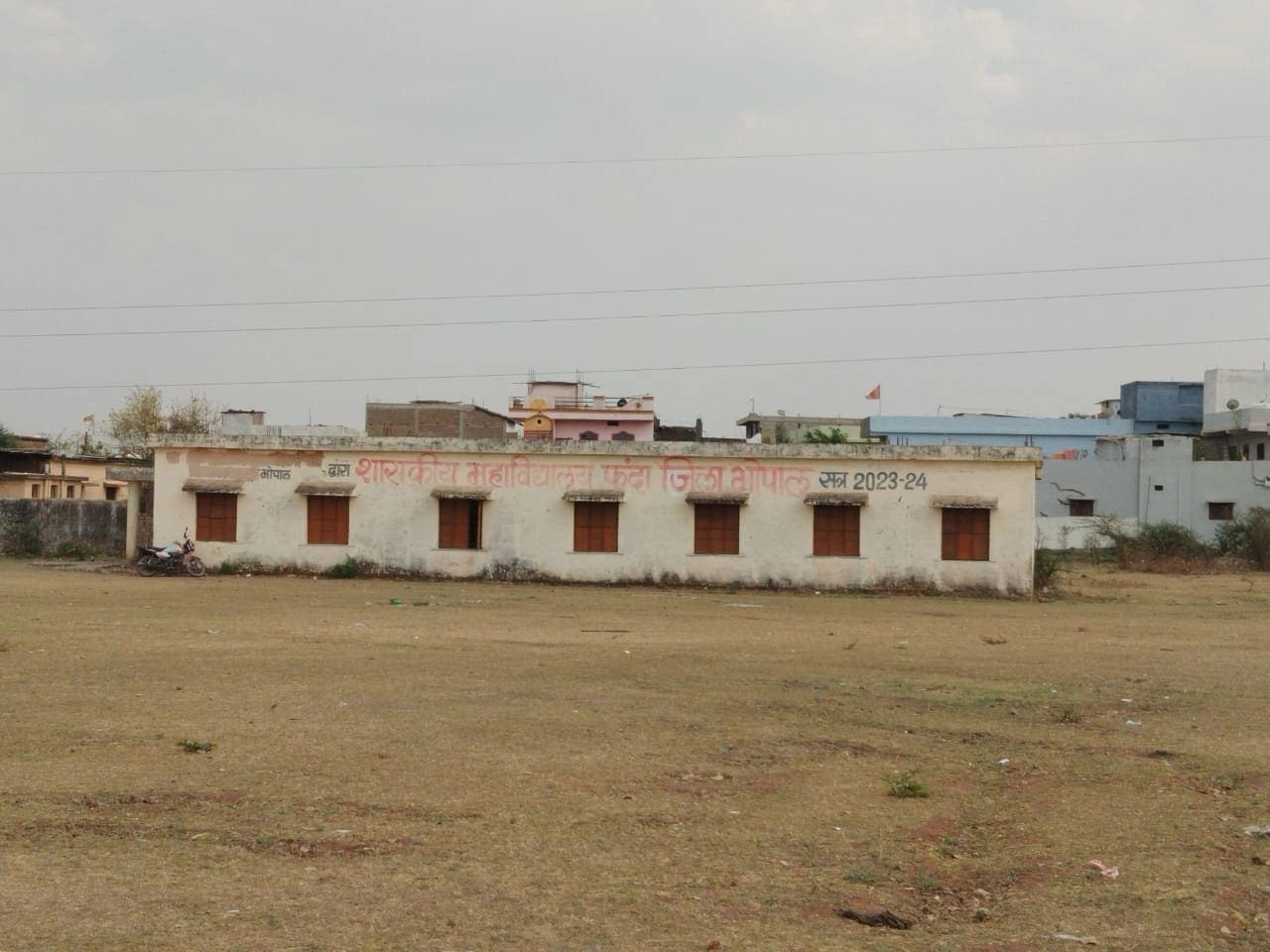
In recent years, Madhya Pradesh has witnessed a significant increase in the establishment of government colleges, a trend that has raised questions about the efficiency and effectiveness of educational resource allocation in the state. Despite the proliferation of these institutions, many of them are grappling with a peculiar situation: they have more staff members than students. This imbalance poses serious concerns regarding the quality of education and the optimal use of public funds. As colleges expand their infrastructure, the focus appears to have shifted from student enrollment and academic excellence to simply increasing the number of institutions.
The demographic and educational needs of Madhya Pradesh must be considered in this context. While the intention behind establishing more government colleges may be to enhance access to higher education, the reality is that many of these institutions are operating at a fraction of their potential. In several cases, colleges have reported student enrollments that are shockingly low, with some institutions having only a handful of students attending full-time classes. This raises the question of whether the state is investing adequately in promoting these colleges and attracting students, or if there is a mismatch between the available courses and the interests of the local population.
Moreover, the existence of more staff than students not only leads to wastage of human resources but also impacts the overall educational environment. Faculty members, who are supposed to facilitate learning and mentorship, may find themselves caught in a system where their expertise is underutilized. This scenario can lead to a decline in job satisfaction and morale among educators, which in turn can affect the quality of instruction provided to the few students who are enrolled. Additionally, the financial implications of maintaining such a workforce in a context of under-enrollment can strain the state’s budget, diverting funds from other critical areas in education or public services.
To address these challenges, it is essential for the government of Madhya Pradesh to undertake a comprehensive review of its higher education strategy. This review should focus on aligning the number of colleges with actual student demand, as well as exploring innovative ways to attract and retain students. Initiatives could include outreach programs, partnerships with local industries, and the introduction of relevant courses that cater to the job market. Ultimately, the goal should be to create a sustainable educational ecosystem that not only increases access to higher education but also ensures that students receive a quality education that equips them for the future. By addressing these imbalances, Madhya Pradesh can work towards building a more effective and responsive higher education system.