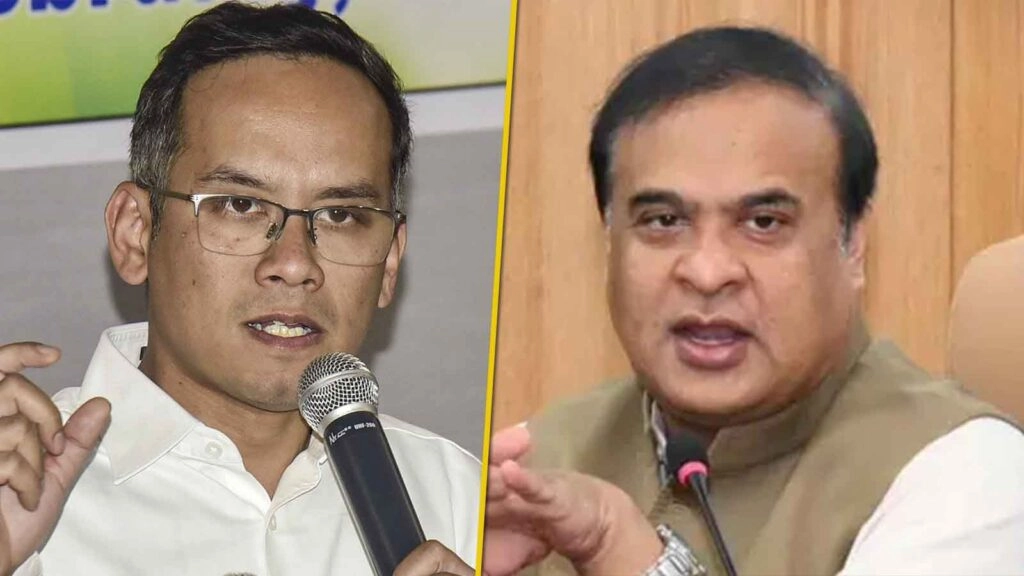
Gaurav Gogoi, a prominent political figure, has made serious allegations against Assam’s Chief Minister, Himanta Biswa Sarma, accusing him of inciting violence and promoting a climate of hatred against the Muslim community in the state. Gogoi’s remarks come amid a backdrop of rising tensions and communal strife, which he claims are being exacerbated by Sarma’s rhetoric and policies. He argues that such divisive statements have the potential to incite acts of violence that could be interpreted as genocidal in nature, particularly given the historical context of communal violence in India.
The accusations have sparked a significant political controversy, with Gogoi calling for accountability and urging the government to take a stand against hate speech. He emphasizes the need for leaders to promote unity and harmony among diverse communities, rather than stoking the flames of division. Gogoi’s comments highlight the broader concerns regarding the safety and rights of minority communities in Assam, where demographic and cultural tensions have often led to conflict. The implications of Sarma’s alleged incitement could have far-reaching consequences, not just for the Muslim population, but for the social fabric of the state as a whole.
In response to these allegations, Sarma and his supporters have vehemently denied any wrongdoing, asserting that his administration is committed to the welfare of all communities. They argue that Gogoi’s claims are politically motivated and aimed at undermining the government. The situation has drawn the attention of various civil society organizations and activists, who are calling for a peaceful dialogue and a commitment to coexistence among different religious and ethnic groups in Assam. As the political landscape evolves, the potential for escalation remains a pressing concern, with many advocating for a return to more constructive and inclusive governance.