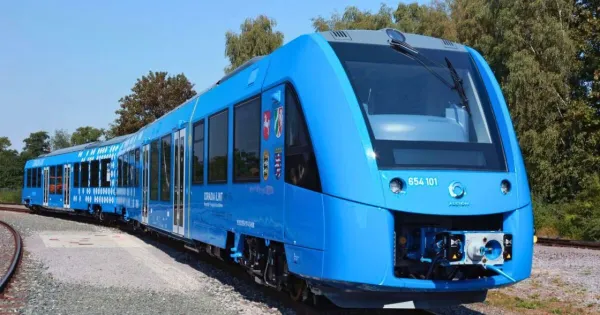
The journey from Jind to Sonipat marks a significant milestone in India’s transportation sector, as it will soon feature the country’s first hydrogen-powered train. This groundbreaking initiative highlights India’s commitment to sustainable and eco-friendly transportation solutions. Hydrogen trains represent a significant shift away from traditional diesel-powered locomotives, as they emit only water vapor and are much quieter, making them an environmentally friendly option for rail travel.
One of the standout features of this hydrogen train is its ability to operate without relying on fossil fuels, which aligns with global efforts to reduce carbon emissions and combat climate change. The technology harnesses hydrogen fuel cells to generate electricity, which powers the train. This innovative approach not only reduces the carbon footprint associated with rail travel but also enhances the efficiency and performance of train operations. With the growing need for sustainable alternatives in public transport, hydrogen trains could revolutionize the way we think about travel.
The introduction of the hydrogen train on the Jind to Sonipat route is also expected to stimulate economic growth in the region by improving connectivity and reducing travel times. As more passengers opt for this eco-friendly mode of transport, it may encourage further investments in similar technologies across the country. This project not only showcases India’s advancements in railway technology but also sets a precedent for other nations looking to embrace renewable energy solutions in their transportation systems.
In summary, the launch of the hydrogen train from Jind to Sonipat is a remarkable step forward for India’s railway network. By integrating hydrogen technology into its operations, India is paving the way for a cleaner, greener future in public transportation. This initiative not only promises to enhance the efficiency and sustainability of rail travel but also serves as an inspiring example of how innovation can lead to significant environmental benefits. As the country continues to explore and implement such advancements, the potential for transforming the transport landscape appears limitless.