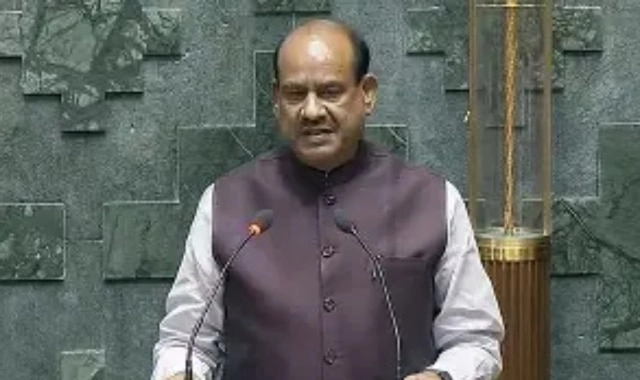
The no-confidence motion against Speaker Om Birla has become a significant point of discussion in Indian politics, reflecting underlying tensions within the parliamentary system. A no-confidence motion is a parliamentary procedure that allows members to express their lack of confidence in a particular officeholder, in this case, the Speaker of the Lok Sabha. The motion is a critical tool for the opposition to challenge the authority and functioning of the Speaker, who is expected to maintain impartiality and uphold the dignity of the house. The implications of such a motion can be profound, as it not only questions the Speaker’s ability to perform their duties but also signals deeper political fractures within the ruling coalition and opposition parties.
In recent events, the motion was prompted by various grievances concerning Speaker Birla’s conduct during parliamentary sessions. Critics have accused him of bias and failing to provide equal opportunities for all members to voice their opinions, particularly during heated debates. This sentiment has been echoed by several opposition parties, who argue that an impartial Speaker is essential for a healthy democracy. Furthermore, the no-confidence motion serves as a platform for the opposition to unite and make a concerted effort to challenge the ruling party’s policies and governance. The outcome of this motion could have lasting effects on the political landscape, influencing not only the Speaker’s tenure but also the dynamics between various parties in the Lok Sabha.
The process of a no-confidence motion involves several steps, including gathering the necessary support from members of the house and presenting the motion to the Speaker. If the motion garners enough backing, it can lead to a debate and a subsequent vote. Should the motion pass, it would force Speaker Birla to resign, thereby creating a vacancy that could be filled by a new Speaker, potentially altering the balance of power in the Lok Sabha. This situation underscores the importance of accountability in parliamentary roles and highlights the ongoing struggles between the ruling and opposition parties in India. As the political drama unfolds, it remains to be seen how the ruling party will respond and whether they can maintain their grip on power amid growing dissent.