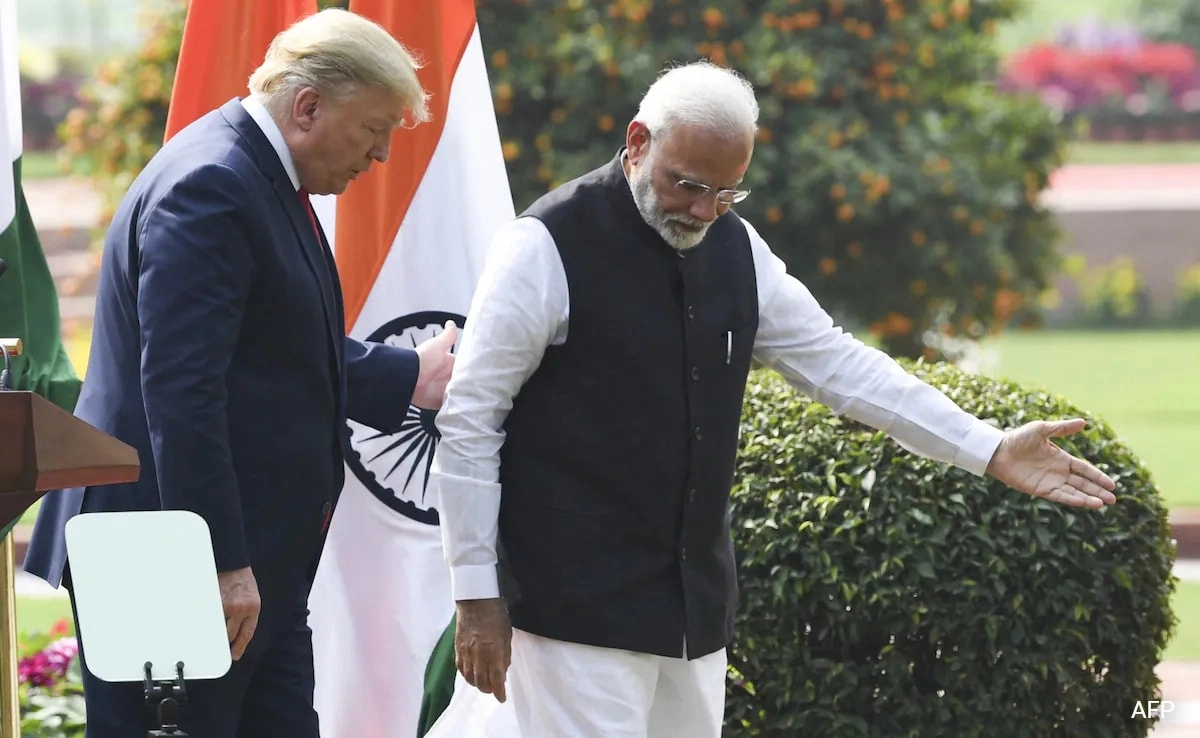
In a recent statement, a former U.S. official criticized former President Donald Trump’s remarks regarding Indian Prime Minister Narendra Modi, particularly in the context of trade relations between the two countries. The official highlighted Trump’s approach to addressing tariffs, noting that his administration’s imposition of 50% tariffs on certain goods from India was counterproductive and damaging to bilateral ties. This criticism underscores the complexities involved in international trade, especially between two nations that share significant economic interests.
The ex-official emphasized that Trump’s rhetoric often seemed to overlook the nuances of diplomatic engagements. By framing tariffs as a means to gain leverage, Trump may have inadvertently strained relationships that could have otherwise fostered collaboration. The former official pointed out that such high tariffs not only affect economic transactions but also have broader implications for the strategic partnership between the United States and India. The relationship is crucial for both countries, especially in the context of regional security and global economic dynamics.
Furthermore, the criticism reflects a growing sentiment among policymakers that tariffs should not be the first line of defense in trade negotiations. Instead, fostering dialogue and cooperation could yield more beneficial outcomes for both nations. The former official’s comments serve as a reminder that effective diplomacy involves understanding the intricacies of economic policies and their impact on international relations. As the world continues to navigate complex trade challenges, a more collaborative approach may be essential to maintaining healthy ties between the U.S. and India, ensuring mutual growth and stability in an increasingly interconnected global landscape.