
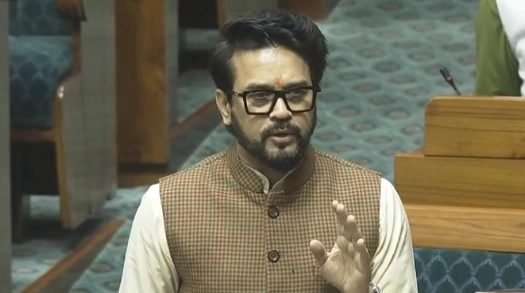
The recent discussions surrounding e-cigarettes in the Indian Parliament have sparked considerable controversy, highlighting the complex intersection of public health, regulation, and individual rights. Lawmakers are grappling with the implications of e-cigarette use, as the devices, often marketed as safer alternatives to traditional cigarettes, have gained popularity among young people. Proponents argue that e-cigarettes may serve as a less harmful option for smokers looking to quit, while critics raise concerns about the potential risks associated with vaping, including addiction and health complications.
Opponents of e-cigarettes emphasize the need for stringent regulations to protect public health, particularly among the youth. They point to rising usage rates among teenagers and young adults, arguing that e-cigarettes may act as a gateway to traditional tobacco products. This has led to calls for comprehensive legislation aimed at controlling the sale and distribution of e-cigarettes to prevent their normalization among younger demographics. The debate is further complicated by the lack of conclusive long-term research on the safety of e-cigarettes, leaving lawmakers in a challenging position as they weigh the benefits and risks.
On the other hand, some lawmakers advocate for a more balanced approach, suggesting that outright bans could push users back to traditional smoking or drive the market underground. They argue for the necessity of regulating e-cigarettes rather than prohibiting them entirely, which could include age restrictions, quality control measures, and educational campaigns about their use. This perspective highlights the importance of informed decision-making, allowing adult smokers to access alternatives while ensuring that minors are protected from potential health risks.
As the Parliament continues to debate this issue, the outcome remains uncertain. The discussions reflect a broader global conversation about vaping and its implications for public health policy. Ultimately, the decisions made in the coming weeks will not only impact the future of e-cigarettes in India but also set a precedent for how emerging products in the tobacco industry are regulated in the future. The controversy serves as a reminder of the delicate balance that must be struck between personal freedom and public health considerations in an ever-evolving landscape of consumer products.


