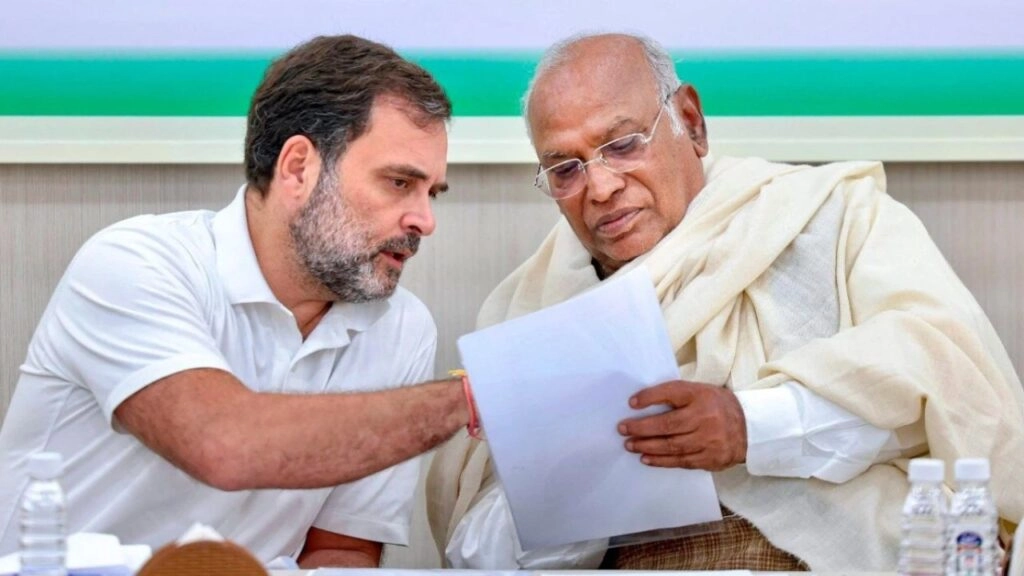
The Indian National Congress, one of the country’s oldest political parties, has been grappling with internal discord that significantly undermines its effectiveness and electoral prospects. This discord manifests in various regions, notably Karnataka and Rajasthan, where internal divisions have become apparent. In Karnataka, the party faces challenges stemming from factionalism and leadership disputes, which have hindered its ability to present a united front against political rivals. The state has seen competing factions vying for influence, leading to a lack of cohesion that can alienate voters and weaken the party’s overall appeal.
Similarly, in Rajasthan, the Congress struggles with infighting, particularly between prominent leaders who often find themselves at odds over strategic decisions and party direction. This rift has fostered an environment of mistrust and competition, which can detract from the party’s focus on governance and development issues that resonate with the electorate. The leadership must navigate these tensions carefully, as failure to do so could result in a loss of support among party workers, who play a critical role in mobilizing voters during elections.
Overall, the discord within the Congress party, exemplified by the situations in Karnataka and Rajasthan, poses a significant challenge to its ambitions. As the party seeks to regain its foothold in various states, it must address these internal conflicts and work towards fostering unity. Only by presenting a cohesive and clear vision can the Congress hope to connect with voters and effectively counter the narratives put forth by rival parties. The need for strategic reconciliation and a focus on collective goals has never been more urgent for the Congress as it navigates the complex landscape of Indian politics.