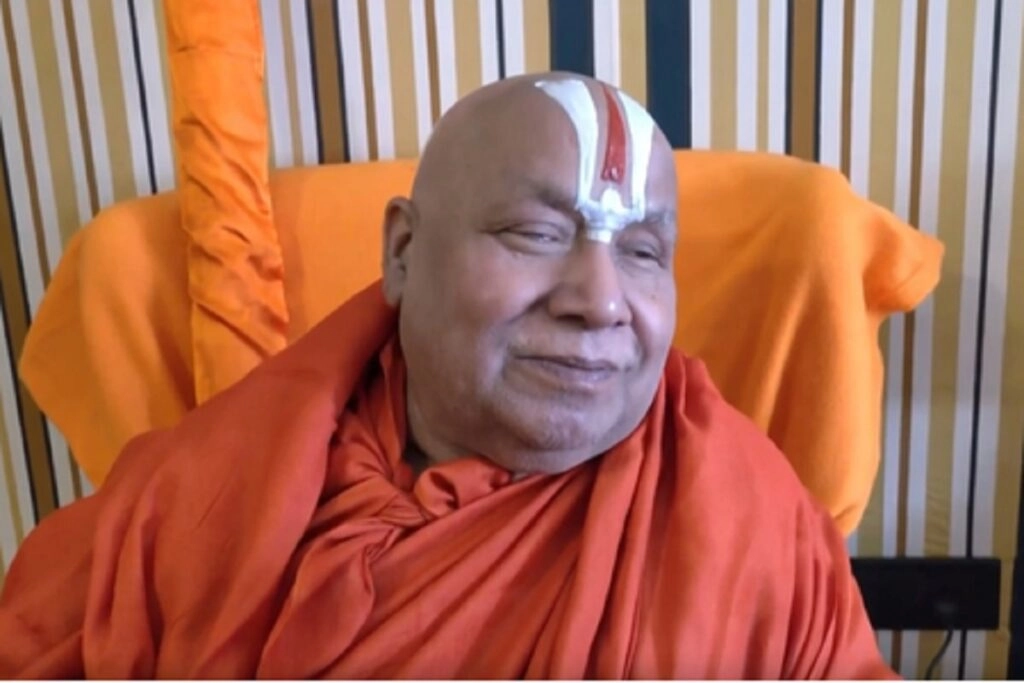
Jagadguru Rambhadracharya, a prominent spiritual leader, has expressed strong sentiments regarding the individuals accused of participating in the Delhi riots. He firmly believes that these accused should not be granted bail, arguing that the severity of their actions warrants a much harsher punishment. In his view, the appropriate consequence for those involved in such violent unrest should be nothing less than the death penalty. This stance reflects a growing concern among various segments of society regarding the implications of the riots, which have not only led to significant loss of life and property but have also exacerbated communal tensions in the region.
The Delhi riots, which erupted in February 2020, were marked by widespread violence and destruction, drawing national and international attention. As the legal proceedings unfold, discussions about justice and accountability have intensified. Rambhadracharya’s comments highlight a broader call for stringent measures against those who instigate violence and disrupt social harmony. He argues that leniency, such as granting bail, could be interpreted as a failure to uphold justice and deter future instances of such communal violence.
Rambhadracharya’s perspective resonates with many who have been affected by the riots and are seeking justice for the victims. The call for capital punishment reflects a deep-seated frustration with the judicial system, where some feel that the punishments currently in place are insufficient to address the gravity of the crimes committed during the riots. As the debate continues, it raises essential questions about the balance between justice, punishment, and the potential for rehabilitation in cases of severe social unrest.
In conclusion, the remarks made by Jagadguru Rambhadracharya serve as a stark reminder of the lingering scars left by the Delhi riots. They underscore the urgent need for a thorough examination of the legal framework surrounding such cases, as well as the societal factors that contribute to communal violence. As stakeholders from various walks of life engage in this critical discourse, it remains imperative to strive for a justice system that not only punishes offenders but also promotes healing and reconciliation within communities.