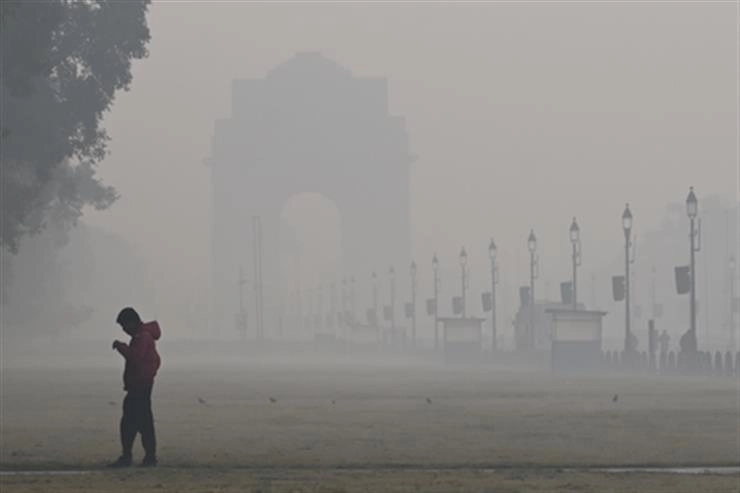
Delhi-NCR is currently grappling with a severe air quality crisis as heavy smog envelops the region, pushing air quality levels into the ‘very poor’ category. This alarming situation is primarily attributed to a combination of factors, including stubble burning in neighboring states, vehicular emissions, and industrial pollution. The dense fog, coupled with stagnant weather conditions, has exacerbated the already deteriorating air quality, leading to an unhealthy environment for the residents. Authorities have raised concerns about the potential health impacts, particularly for vulnerable populations such as children, the elderly, and individuals with preexisting respiratory conditions.
As the smog blankets the city, visibility has drastically reduced, affecting transportation and daily activities. Schools and outdoor events are being reconsidered as parents express worry for their children’s health. Health experts have warned that prolonged exposure to such polluted air can lead to serious health issues, including respiratory infections, cardiovascular diseases, and other chronic ailments. The government’s response includes implementing emergency measures to combat pollution, such as promoting public transportation, regulating industrial emissions, and increasing public awareness about the health risks associated with poor air quality.
In light of these challenges, citizens are urged to take precautions to safeguard their health. Wearing masks, using air purifiers indoors, and limiting outdoor activities are some of the recommended strategies to minimize exposure to the harmful pollutants. The situation calls for a collective effort from both the government and the public to address the root causes of air pollution. Long-term solutions, such as transitioning to cleaner energy sources, improving public transportation infrastructure, and stricter regulations on emissions, are critical to ensuring a healthier environment for future generations. The ongoing air quality crisis serves as a stark reminder of the pressing need for sustainable practices and greater environmental accountability in urban planning and development.