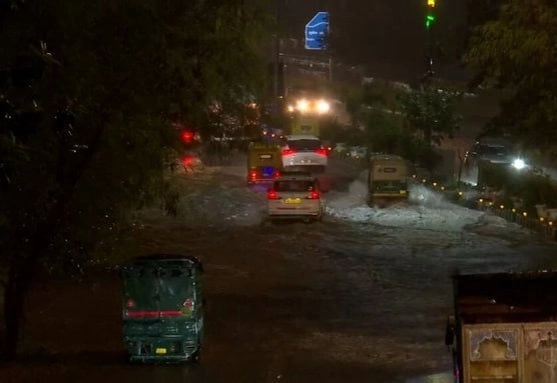
Delhi experienced a significant downpour recently, leading to substantial waterlogging across various parts of the city. The heavy rainfall, which began in the early hours, resulted in disruption to daily life and transportation systems. Streets that are usually bustling with activity were transformed into waterways, causing difficulties for commuters and residents alike. The waterlogged conditions not only hampered vehicular movement but also raised concerns about potential flooding in low-lying areas.
As a consequence of the torrential rain, over 180 flights were impacted at Indira Gandhi International Airport. The weather conditions forced several airlines to delay departures and arrivals, creating a ripple effect in air travel schedules. Travelers found themselves grappling with long wait times and cancellations, leading to frustration among passengers who had planned their journeys meticulously. Ground staff worked tirelessly to manage the situation, but the sheer volume of impacted flights posed a significant challenge.
In addition to the disruption in air travel, local authorities were put to the test as they scrambled to manage the waterlogging issues. Emergency services were on high alert, with teams deployed to clear clogged drains and provide assistance to those affected by the flooding. The situation highlighted the need for improved infrastructure and drainage systems in the capital, as heavy rains have become increasingly common in recent years.
As the city prepares for the possibility of more rainfall in the coming days, residents are urged to stay vigilant and take necessary precautions. The heavy rain serves as a reminder of the challenges posed by climate change and urbanization, which exacerbate the risks of flooding and waterlogging in metropolitan areas. Authorities are now under pressure to develop sustainable solutions to mitigate the impact of such weather events in the future, ensuring that Delhi can better cope with the challenges posed by intense rainfall.