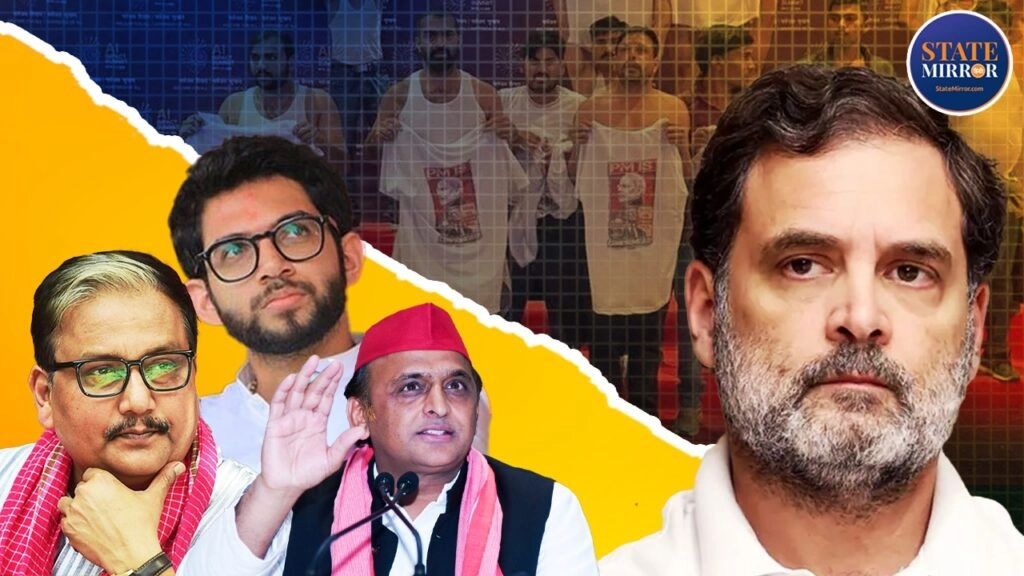
Congress is currently grappling with a significant backlash following a recent incident involving a shirtless demonstration by some of its members. The demonstration, which was intended to draw attention to a specific political issue, has sparked controversy and criticism both from the public and within the political sphere. Many constituents and political analysts are questioning the appropriateness of such an approach, arguing that it undermines the seriousness of the issues at hand and detracts from the legislative work that Congress is tasked with.
In the wake of the demonstration, several of Congress’s traditional allies have begun to distance themselves from the lawmakers involved. This distancing reflects a growing concern about the image and credibility of Congress as a whole. Allies who have previously supported these members are now reconsidering their associations, worried that the actions may negatively impact their own reputations and effectiveness in advocating for important causes. This reaction highlights the delicate balance that elected officials must maintain between expressing passion for their beliefs and adhering to the decorum expected in political settings.
The backlash has also ignited a broader conversation about the methods used by politicians to engage with their constituents and bring attention to pressing issues. While some argue that unconventional tactics like demonstrations can be effective in raising awareness, others believe that such actions can easily cross the line into unprofessionalism. The incident raises questions about the future of political demonstrations and the strategies lawmakers should employ to resonate with voters while maintaining the dignity of their offices.
As the situation unfolds, Congress will need to navigate the fallout carefully. The potential for lasting damage to relationships with key allies and the public perception of the institution itself looms large. Moving forward, it will be crucial for lawmakers to find ways to advocate for their causes that align with the expectations of their constituents and uphold the integrity of their positions. This incident may serve as a wake-up call for Congress to reevaluate the effectiveness and appropriateness of their demonstration tactics in an increasingly polarized political landscape.