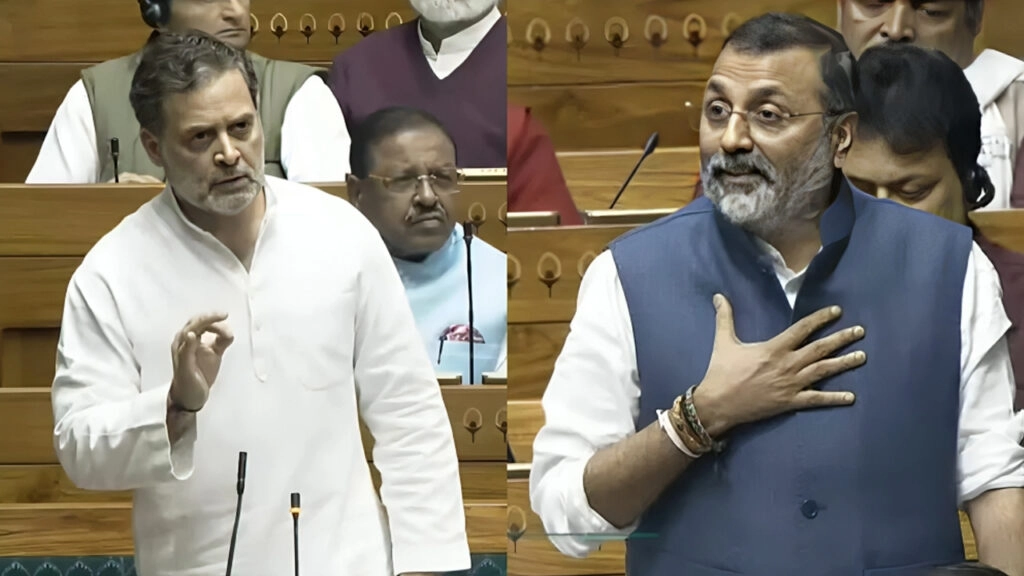
The recent developments within the Congress party have stirred significant controversy, particularly following revelations made by Nishikant. The Chief Election Commissioner (CEC) has found himself at the center of a storm after reports emerged suggesting that he received gifts from various political figures, including Sukumar Sen and MS Gill. This has raised eyebrows and sparked intense debate about the integrity of electoral processes and the role of the CEC in maintaining fair practices during elections.
Nishikant’s disclosures have not only created a ripple effect within political circles but have also attracted public scrutiny. The notion of a neutral electoral body receiving gifts from politicians poses serious questions about the impartiality of the CEC and its ability to oversee elections without bias. This controversy has reignited discussions around the need for stricter regulations concerning the conduct of election officials and their interactions with political figures. Critics argue that such practices can undermine public trust in the electoral system, which is foundational to democracy.
Moreover, the timing of these revelations is particularly significant, considering the approaching elections. The Congress party, already facing challenges on multiple fronts, now finds itself embroiled in a scandal that could further complicate its electoral prospects. The public’s reaction has been one of outrage, with many calling for accountability and transparency from the CEC and demanding a thorough investigation into the allegations. As the situation unfolds, the implications for the Congress party and the electoral framework as a whole remain to be seen, but it is clear that the integrity of the electoral process is at stake.