
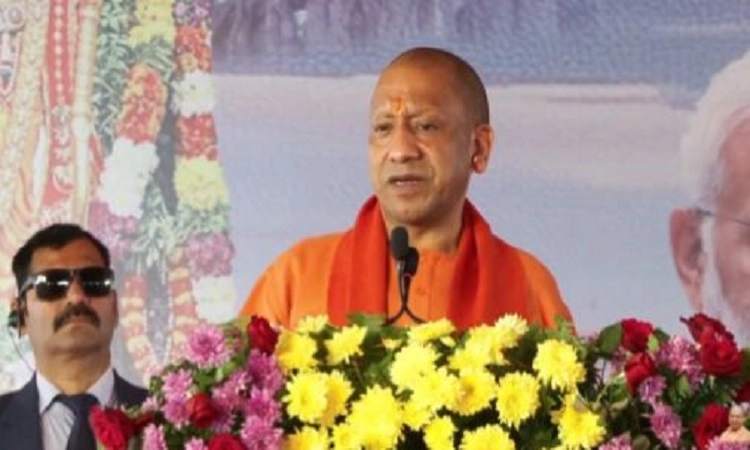
The recent incident in Bangladesh has sparked considerable discussion, yet it appears that many political figures are choosing to remain silent on the matter. This reticence has raised eyebrows, leading some to humorously suggest that it seems as if someone has applied Fevicol, a strong adhesive, to their lips, preventing them from speaking out. This silence has not gone unnoticed, especially by political leaders such as Chief Minister Yogi Adityanath, who has seized the opportunity to criticize opposition parties for their lack of response and engagement regarding the situation.
CM Yogi’s remarks highlight a growing frustration with the opposition’s reluctance to address pressing issues that impact regional and international relations. By likening their silence to being stuck with a strong glue, he underscores what he perceives as a failure to take a stand on crucial matters. This criticism not only aims to spotlight the inaction of opposition parties but also serves to reinforce his own position as a proactive leader who is willing to confront such issues head-on.
As the situation in Bangladesh continues to develop, the implications of this silence could be significant. Political leaders are often judged by their responsiveness to events that affect their constituents and the broader geopolitical landscape. CM Yogi’s remarks may resonate with those who feel that the opposition is not adequately representing the interests and concerns of the populace. His comments serve as a reminder of the importance of addressing both domestic and international incidents with transparency and accountability, urging all political figures to engage more actively in discourse that shapes public perception and policy.


