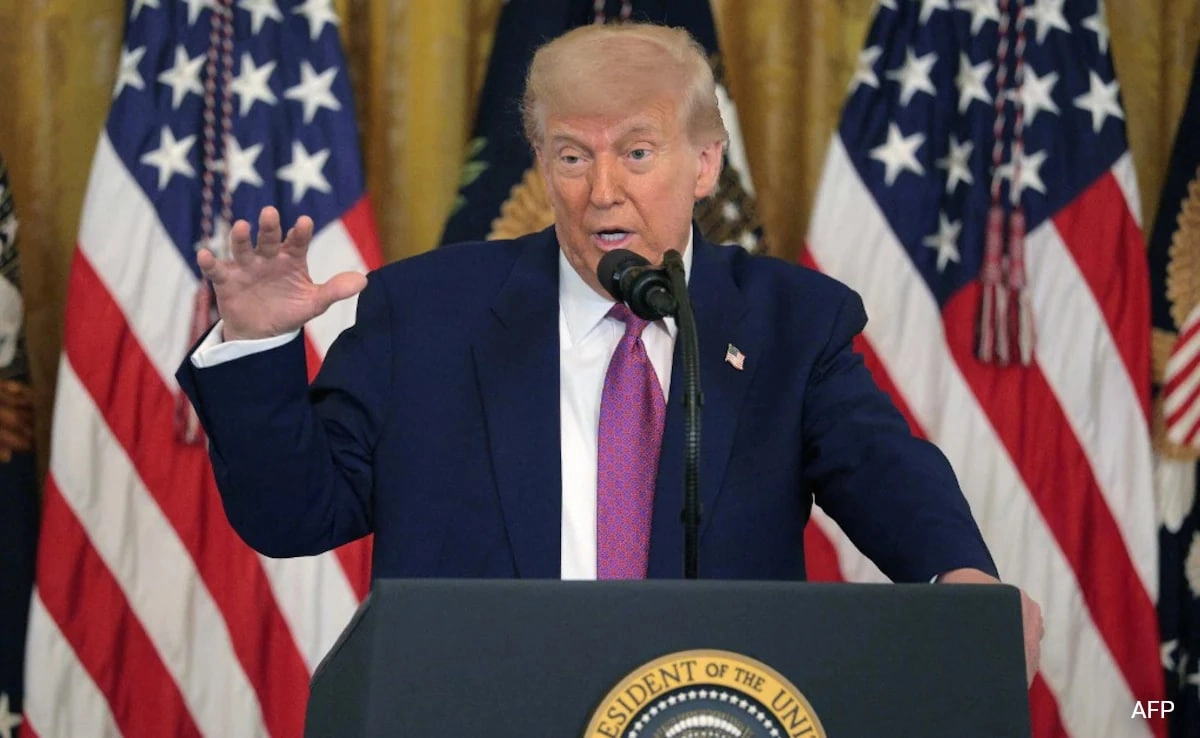
In a recent public address, a top Chinese official took the opportunity to mock the tariffs imposed by former President Donald Trump, labeling them as ineffective and counterproductive. The official highlighted how these tariffs, intended to protect American industries, have instead led to increased costs for consumers and strained international trade relations. This commentary reflects a broader sentiment within China regarding the economic strategies employed by the previous U.S. administration, which many believe have not only failed to achieve their intended goals but have also exacerbated tensions between the two nations.
Additionally, the Chinese official responded to remarks made by Ohio Republican Senator JD Vance, who had referred to certain segments of the population as “peasants” in a discussion about economic disparity and labor issues. The Chinese representative countered this derogatory term by emphasizing the dignity of all workers, irrespective of their socio-economic status. By invoking this point, the official aimed to foster a sense of solidarity among workers globally and to criticize the dismissive attitudes that can sometimes permeate political discourse in the United States.
The interaction between these political figures underscores the complexities of U.S.-China relations, particularly in the context of economic policies and rhetoric. As both nations navigate the challenges of globalization and economic interdependence, it is crucial for leaders to engage in constructive dialogue rather than resorting to insults or derogatory language. The mocking of tariffs and the rebuttal of Vance’s comments serve as reminders of the ongoing cultural and political clashes that characterize contemporary international relations, emphasizing the need for a more nuanced understanding of each other’s perspectives.
In conclusion, the comments from the Chinese official not only critique specific policies but also reflect a broader narrative about the importance of respecting all individuals within the global economic framework. As the world faces increasing challenges, it is essential for leaders from both countries to foster mutual respect and understanding to pave the way for more effective collaboration in addressing shared issues.