
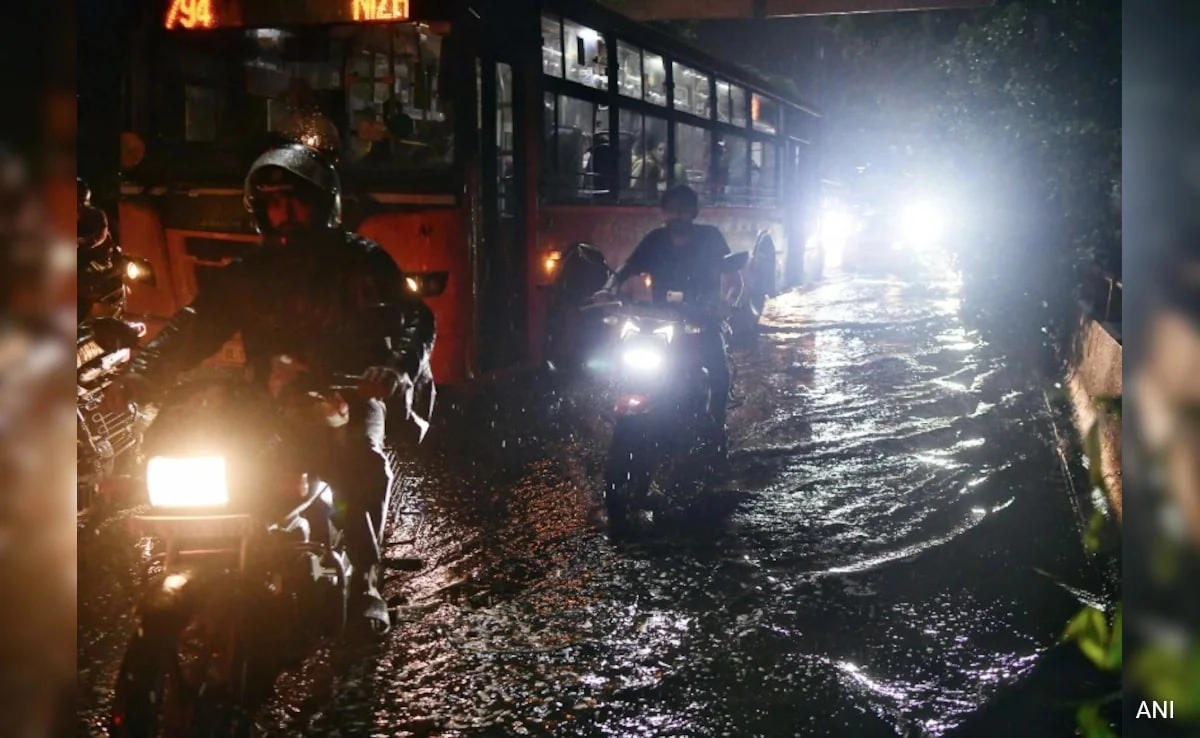
Chhattarpur, a prominent locality in Delhi, recently experienced significant disruptions due to heavy rainfall, resulting in extensive traffic jams that lasted for three hours. The sudden downpour not only affected vehicular movement but also created chaos in the daily routines of residents and commuters alike. Roads were inundated, making it challenging for vehicles to navigate, while pedestrians struggled to find safe passage. The impact of the rain extended beyond mere traffic delays; it disrupted the rhythm of life in the area, highlighting the vulnerability of urban infrastructure to extreme weather conditions.
The jams in Chhattarpur serve as a stark reminder of the challenges faced by metropolitan areas during monsoon seasons. As the rain fell relentlessly, many drivers found themselves stuck in their vehicles for prolonged periods, leading to frustration and anxiety. Public transport services also faced delays, exacerbating the situation for those who rely on buses and auto-rickshaws to commute to work or school. The once-bustling streets transformed into a gridlocked scene, illustrating how quickly weather can alter the dynamics of a city.
Moreover, this incident underscores the urgent need for improved urban planning and drainage systems in Delhi. The city’s infrastructure is often ill-equipped to handle heavy rainfall, leading to waterlogging and traffic snarls. As climate change continues to intensify weather patterns, cities like Delhi must adapt to these challenges by investing in resilient infrastructure and effective drainage systems. Measures such as regular maintenance of stormwater drains and the creation of better urban landscapes could mitigate the adverse effects of heavy rains in the future. The recent chaos in Chhattarpur serves as a crucial wake-up call for policymakers and urban planners to prioritize sustainable solutions that can withstand the impacts of changing weather patterns.
As residents of Chhattarpur and surrounding areas navigate the aftermath of the rain, the hope is that lessons learned from this experience will lead to proactive measures to enhance urban resilience. Community awareness and engagement can play a vital role in advocating for necessary changes, ensuring that the city is better prepared for future weather events. The incident not only reflects the immediate impact of rain on daily life but also raises important questions about the long-term sustainability of urban living in the face of climate change.


