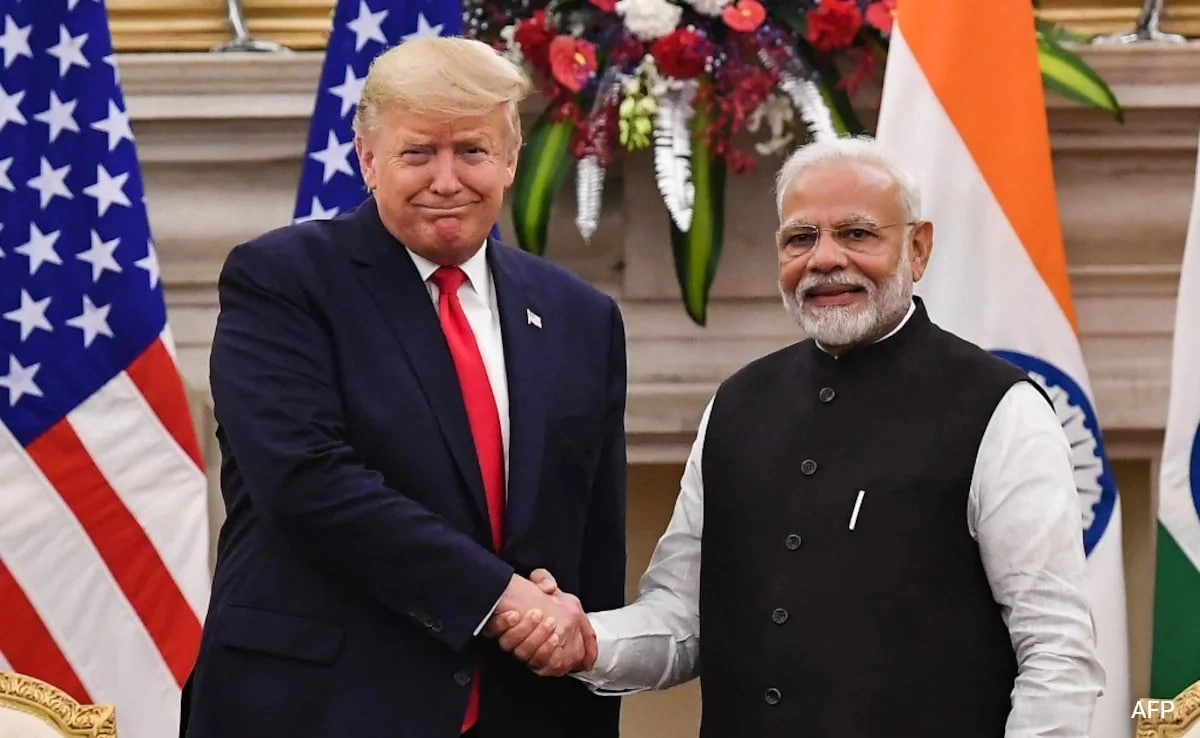
As global political dynamics shift, attention is increasingly focused on Brazilian President Jair Bolsonaro, especially in the context of his relationship with former President Luiz Inácio Lula da Silva and the ongoing tariff disputes involving U.S. President Donald Trump. Bolsonaro, who has garnered international attention for his controversial policies and leadership style, finds himself at a pivotal moment. The political landscape in Brazil is undergoing significant changes, and the rivalry between Bolsonaro and Lula is reigniting debates about governance, economic strategies, and national identity. Lula, a veteran politician and leader of the Workers’ Party, represents a stark contrast to Bolsonaro’s right-wing populism, and their contrasting ideologies are poised to shape Brazil’s future.
While Bolsonaro navigates these domestic challenges, the global economic environment is also in flux. President Trump’s administration is embroiled in tariff battles that could have far-reaching implications for international trade. The tensions surrounding tariffs not only affect the U.S. and its trading partners but also create a ripple effect that impacts economies worldwide, including Brazil. Bolsonaro’s government is keenly aware of the implications these tariffs could have on Brazilian exports, especially in sectors like agriculture, which are vital to the nation’s economy. As Trump pushes for protectionist measures, Bolsonaro must carefully strategize Brazil’s position in the international market while maintaining a delicate balance between fostering economic growth and navigating the complexities of U.S.-Brazil relations.
The interplay between Bolsonaro, Lula, and Trump highlights the interconnectedness of domestic politics and global economics. As Bolsonaro seeks to solidify his power amid rising challenges from Lula, he must also address the external pressures of international trade policies. The outcome of these tariff disputes and the evolving political landscape in Brazil will likely have significant implications for the region and beyond. Observers are keeping a close eye on how these leaders will maneuver their respective political agendas in light of the changing dynamics, with the potential for both conflict and cooperation on the horizon. The coming months will be crucial as Bolsonaro and Lula prepare for renewed political contests while navigating the complexities of global trade relations, particularly in light of Trump’s aggressive tariff strategies.