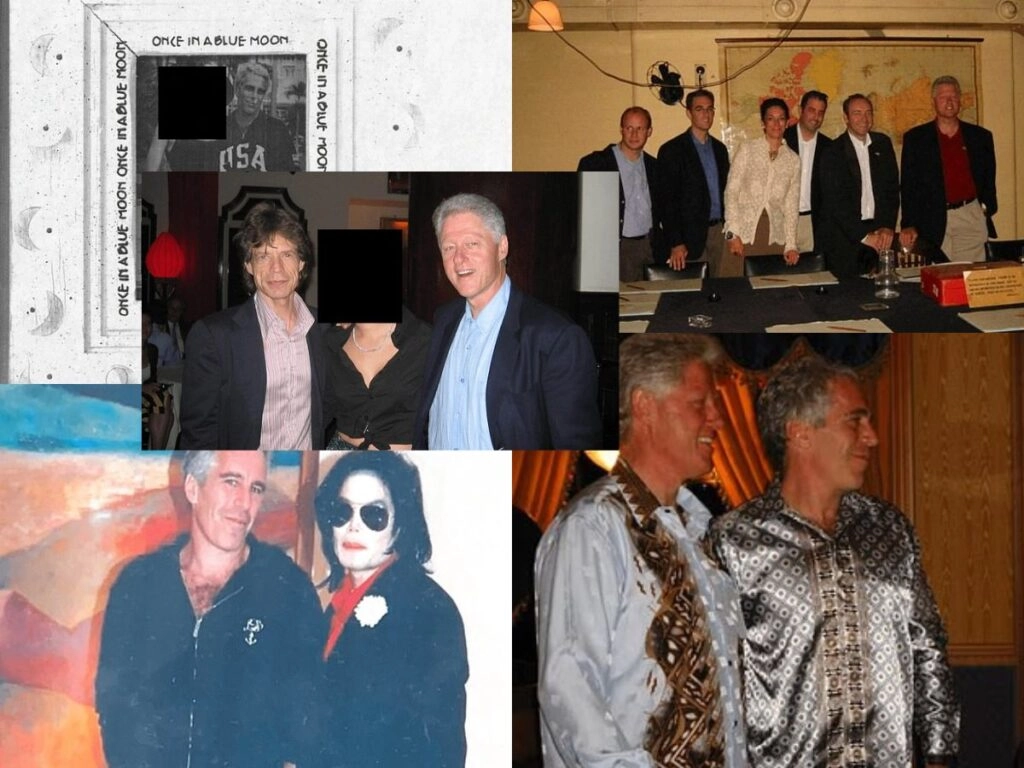
Recently released photographs have surfaced showing former President Bill Clinton alongside Ghislaine Maxwell, a figure entangled in numerous high-profile controversies. These images have reignited discussions surrounding Clinton’s associations and connections, particularly in light of Maxwell’s well-documented ties to Jeffrey Epstein, the convicted sex offender. The timing of these photos has amplified scrutiny, as they come amid ongoing legal battles and public interest in the Epstein case and its implications for various powerful individuals.
The relationship between Clinton and Maxwell has long been a subject of speculation, particularly due to the former president’s known interactions with Epstein. The photographs, which capture moments from social events and gatherings, highlight the extent of their acquaintance. Critics argue that these images raise ethical questions regarding the company that influential figures keep and the potential consequences of those relationships. The public’s fascination with the dynamics of power and privilege is evident, as many seek to understand how such connections can impact both personal reputations and broader societal issues.
As the narrative unfolds, it is essential to consider the broader context of these revelations. The Epstein scandal has not only exposed the darker side of wealth and influence but has also sparked a significant movement advocating for accountability and justice for victims of exploitation. The renewed focus on individuals like Clinton and Maxwell serves as a reminder of the complexities surrounding power dynamics and the importance of transparency. As investigations continue, the implications of these connections may further influence public perceptions and the discourse surrounding accountability for those in positions of power.