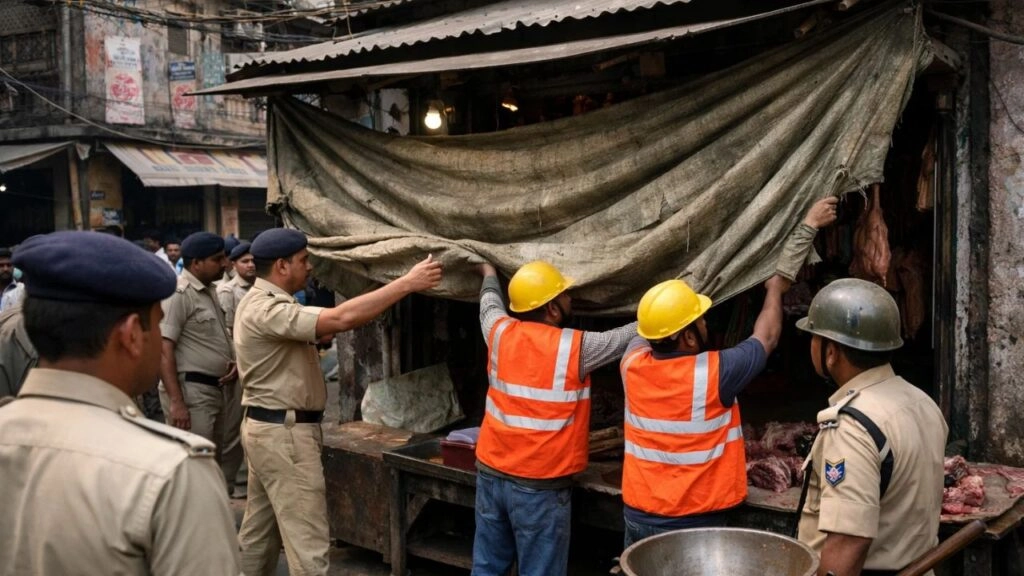
In a significant policy shift, authorities have announced a ban on open meat sales, effectively prohibiting the sale of meat in public spaces. This decision has sparked widespread discussion and debate among both vendors and consumers alike. The move aims to address various concerns, including hygiene, food safety, and the overall management of public health. By eliminating open meat sales, the government seeks to ensure that meat products are sold in controlled environments, where they can be properly monitored and regulated.
Proponents of the ban argue that selling meat in open markets often leads to unsanitary conditions, which can pose serious health risks to consumers. Without adequate refrigeration and proper handling procedures, meat can quickly spoil, increasing the likelihood of foodborne illnesses. By moving meat sales indoors to regulated facilities, authorities believe they can significantly reduce these risks and enhance the overall quality and safety of meat products available to the public.
However, this ban has also met with resistance from local vendors who rely on open meat sales as a primary source of income. Many small-scale farmers and butchers argue that such restrictions could threaten their livelihoods and limit consumers’ access to fresh meat. They call for a more balanced approach that addresses health concerns while still allowing for traditional methods of selling meat. The ongoing dialogue reflects the complex interplay between public health initiatives and economic realities faced by local communities.
As this ban takes effect, stakeholders from various sectors will need to adapt to the new regulations. Meat vendors will have to find alternative ways to sell their products, potentially transitioning to indoor markets or grocery stores. Consumers, on the other hand, will need to adjust their shopping habits, seeking out new sources for their meat purchases. The implications of this policy will unfold over time, and it remains to be seen how effectively it will improve food safety while supporting the livelihoods of those affected by the change. Overall, the ban on open meat sales represents a significant shift in food regulation, aimed at fostering safer and more sustainable practices in the meat industry.