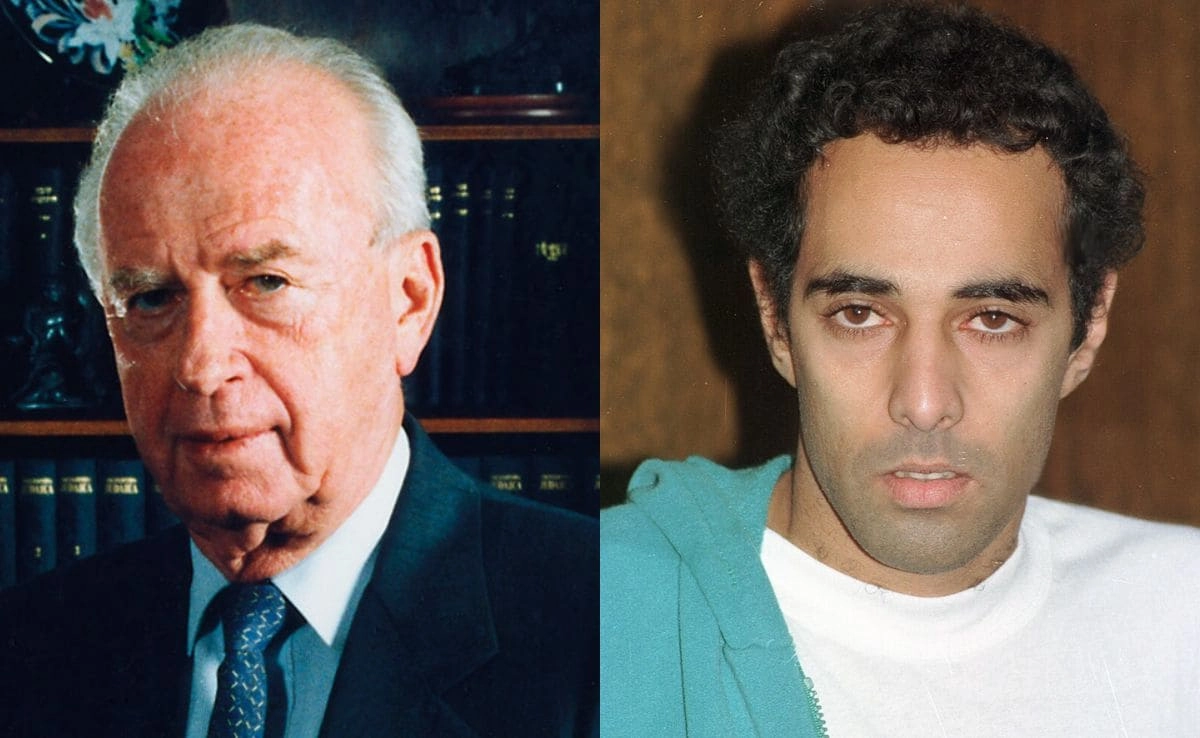
The assassination of former Israeli Prime Minister Yitzhak Rabin in 1995 marked a pivotal moment in the long and tumultuous history of the Israel-Palestine peace process. Rabin, who had shifted from a hardline stance to one advocating for negotiation and compromise, was instrumental in the Oslo Accords, which aimed to establish a framework for peace between Israelis and Palestinians. His murder by a right-wing extremist opposed to the peace process sent shockwaves throughout the region and the world, fundamentally altering the trajectory of Israeli-Palestinian relations.
Rabin’s assassination not only resulted in the immediate loss of a leader who had taken significant risks for peace but also instigated a palpable climate of fear and distrust among both Israelis and Palestinians. The event intensified existing divisions within Israeli society, leading to the empowerment of hardline factions that opposed negotiations. In the wake of his death, subsequent Israeli governments were reluctant to continue the peace efforts that Rabin had championed, resulting in a stagnation of dialogue and an increase in violent confrontations. The assassination thus created a vacuum that was filled by extremists on both sides, further complicating an already fraught situation.
Moreover, Rabin’s assassination had profound implications for Palestinian leadership and aspirations. The death of a leader willing to engage in dialogue diminished the hope for a peaceful resolution among Palestinians, leading to disillusionment with the peace process. This despair fueled a rise in radical elements within Palestinian society, undermining moderate voices that sought negotiation and compromise. The ensuing years saw a deterioration of relations, marked by violence and retaliatory measures that made the prospect of peace increasingly elusive.
In summary, the assassination of Yitzhak Rabin was a watershed moment that not only derailed the Israel-Palestine peace process but also entrenched divisions and hostility on both sides. The loss of a leader committed to dialogue and compromise created a significant setback, fostering an environment where extremist ideologies could flourish. As a result, the assassination not only reshaped Israeli politics but also had lasting effects on Palestinian governance and the broader quest for peace, illustrating how individual acts of violence can have far-reaching consequences in complex geopolitical landscapes.