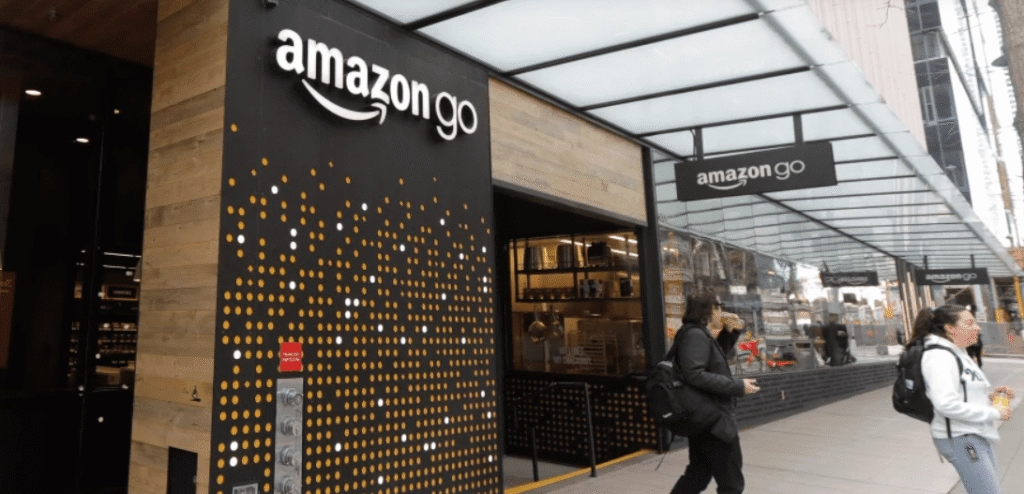
Amazon has made a significant shift in its grocery strategy by closing several physical locations of its Amazon Go and Amazon Fresh stores. This decision marks a pivotal change in the company’s approach to retail, as it pivots from physical storefronts to enhance its online grocery delivery services. The closure of these stores reflects a broader trend in the retail industry, where many consumers are increasingly favoring the convenience of online shopping over traditional in-store experiences. With the rise of e-commerce, especially accelerated by the pandemic, Amazon is strategically refocusing its efforts to cater to the growing demand for online grocery delivery.
The Amazon Go stores, known for their cashier-less shopping technology, and the Amazon Fresh stores, which offered a wider selection of grocery items, were part of Amazon’s ambitious plan to dominate the grocery sector. However, the operational challenges and evolving consumer preferences have prompted Amazon to reevaluate its physical presence. By closing these locations, the company aims to streamline its operations and concentrate resources on enhancing its online offerings. This transition is not just about shutting down stores; it represents a larger vision of making grocery shopping more accessible and convenient through digital channels.
Moreover, Amazon’s expansion into online grocery delivery underscores its commitment to innovation in the grocery market. The company is investing in technology and logistics to ensure timely and efficient delivery of groceries to customers’ doorsteps. This shift allows Amazon to leverage its vast distribution network and technological infrastructure, providing a seamless shopping experience for consumers who prefer purchasing groceries online. As grocery shopping continues to evolve, Amazon’s adaptation to these changes signals its intention to remain a key player in the competitive grocery landscape.
In conclusion, the closure of Amazon Go and Fresh physical stores is a strategic move that aligns with current consumer trends and market demands. By focusing on online grocery delivery, Amazon is positioning itself to meet the needs of modern shoppers who value convenience and efficiency. This transition not only reflects the changing dynamics of retail but also highlights Amazon’s agility in responding to market shifts. As the company continues to innovate and expand its online grocery services, it will be interesting to see how this impacts the grocery sector and the competitive landscape in the coming years.