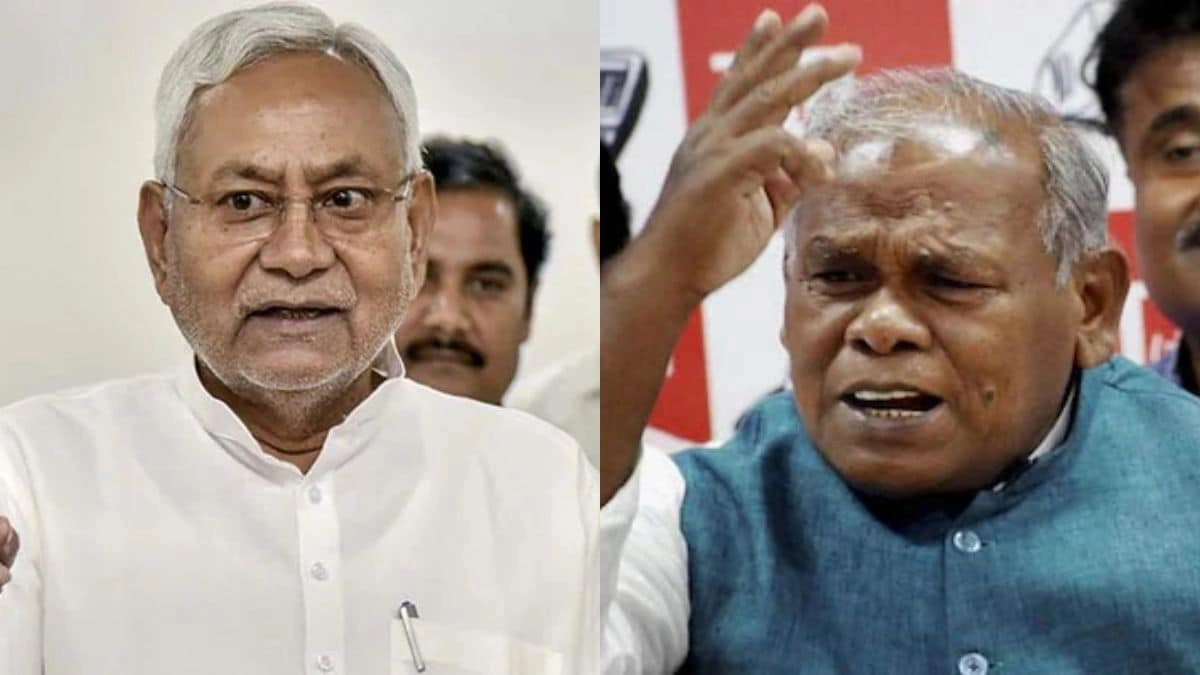
In the lead-up to the upcoming elections, Ally’s insightful commentary on Nitish Kumar’s ongoing prohibition policies has sparked significant debate. Nitish Kumar, the Chief Minister of Bihar, has been a staunch advocate for prohibition in the state, believing that it will lead to improved public health and safety. However, Ally’s advice suggests a more nuanced approach to this contentious issue, urging Kumar to reconsider the implications of such strict measures. The commentary emphasizes that while the intention behind prohibition is commendable, its execution may not be yielding the desired outcomes.
Ally points out that the blanket ban on alcohol has inadvertently led to a thriving black market, where unregulated and often dangerous substances are sold. This not only undermines the very goals of prohibition but also poses a significant risk to public safety. The argument is made that instead of an outright ban, a regulated approach could be more effective. By legalizing and regulating the sale of alcohol, the government could ensure quality control, generate tax revenue, and eliminate the criminal element associated with illegal sales. This would also allow for educational programs on responsible drinking, which could further promote public health.
Furthermore, Ally’s critique extends beyond the immediate consequences of prohibition to its broader social implications. The policy has disproportionately affected marginalized communities, leading to increased arrests and social unrest. This raises questions about social justice and the effectiveness of prohibition as a means of addressing complex societal issues. As Bihar approaches the polls, it’s crucial for Nitish Kumar and his administration to take these concerns into account, balancing their commitment to public health with the need for practical and equitable solutions.
Ultimately, Ally’s advice serves as a reminder that effective governance requires adaptability and a willingness to engage in dialogue. The upcoming elections provide an opportunity for Kumar to reassess his stance on prohibition and consider alternative strategies that prioritize both public safety and individual freedoms. By embracing a more pragmatic approach, he could not only enhance his political standing but also foster a healthier, more prosperous society.