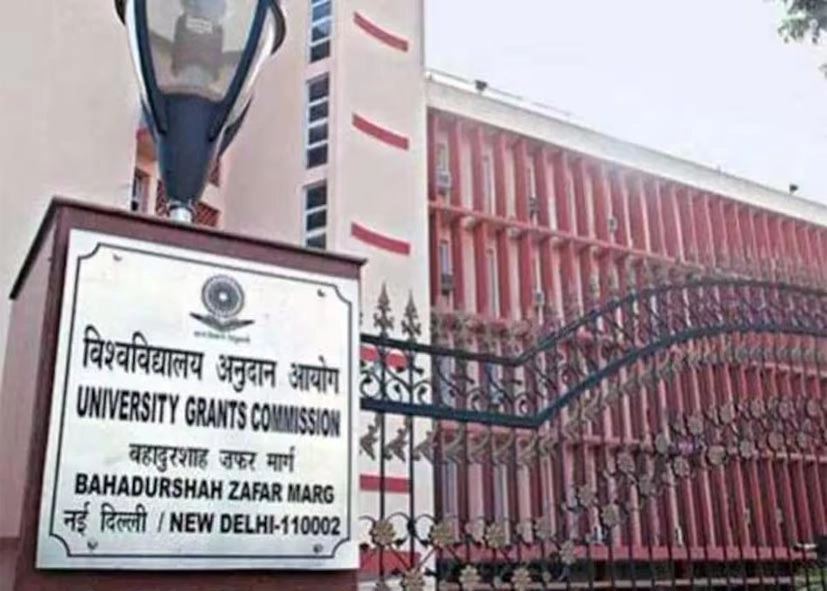
In 2026, the University Grants Commission (UGC) has identified a total of 32 institutions across the country that are operating under the guise of universities but are, in fact, fraudulent entities. This list serves as a crucial warning to students and parents alike, helping them avoid falling prey to these illegitimate institutions that promise quality education without any recognition or validity. Among these, 13 universities located in Delhi have been specifically flagged as completely fake. This revelation is particularly concerning given the significance of Delhi as an educational hub in India, attracting numerous students from various regions.
The existence of such fake universities raises serious questions about the regulatory frameworks in place to protect students and uphold educational standards. The UGC plays a pivotal role in maintaining the integrity of higher education in India, and the identification of these fraudulent institutions highlights the need for increased vigilance and action against those who exploit students’ aspirations. Prospective students should be diligent in verifying the legitimacy of any university they consider enrolling in, ensuring that their degrees will hold value in the job market.
The list of fake universities is not just a cautionary tale but also a call to action for educational authorities and policymakers to strengthen the mechanisms that prevent such institutions from operating. Increased awareness and education about the signs of fake universities can empower students to make informed decisions. Furthermore, it emphasizes the importance of accreditation and affiliation with recognized educational bodies, ensuring that students receive quality education and legitimate qualifications. As the landscape of higher education continues to evolve, collaboration between government, educational institutions, and civil society will be essential in combating the issue of fake universities and safeguarding the future of education in India.