In a significant development in the ongoing efforts to curb Maoist insurgency in India, 103 Maoists have surrendered in Chhattisgarh, marking a notable step towards peace and rehabilitation in the region. This mass surrender highlights the continued impact of government initiatives aimed at encouraging militants to abandon violence and reintegrate into society. As part of the rehabilitation package, each of the surrendered Maoists will receive Rs 50,000, a financial incentive designed to support their transition back into civilian life.
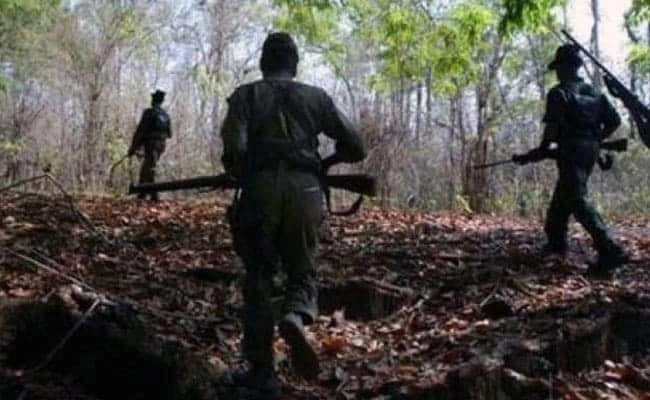
The surrender took place amid ongoing operations by security forces in the dense forests of Chhattisgarh, which have been a stronghold for Maoist activities for years. The state government, in collaboration with central authorities, has been conducting sustained campaigns to dismantle the networks of these insurgent groups while simultaneously promoting dialogue and rehabilitation for those willing to leave the path of violence. This approach not only helps in reducing the number of active insurgents but also fosters an environment where former Maoists can reintegrate into their communities, contributing positively to society.
The surrendered individuals represent a diverse group, including both seasoned operatives and newer recruits who may have been drawn into the conflict due to various socio-economic pressures. Their decision to surrender reflects a growing recognition of the futility of armed struggle and the desire for a more stable and secure future. The rehabilitation package, which includes financial support, vocational training, and counseling services, is tailored to address the specific needs of these individuals, helping them to rebuild their lives and regain their footing in a society that has been marred by violence and unrest.
Chhattisgarh has been at the center of the Maoist conflict in India, with the insurgency rooted in issues of land rights, poverty, and tribal welfare. The government’s strategy includes not only military action but also socio-economic development initiatives aimed at addressing the underlying grievances that fuel the insurgency. The recent surrender of these Maoists is a hopeful sign that the efforts are yielding results and that more individuals may consider leaving the armed struggle behind in favor of a peaceful existence. As the state continues to implement its rehabilitation programs, the focus will remain on creating sustainable pathways for former insurgents to reintegrate into society and contribute to the rebuilding of their communities.