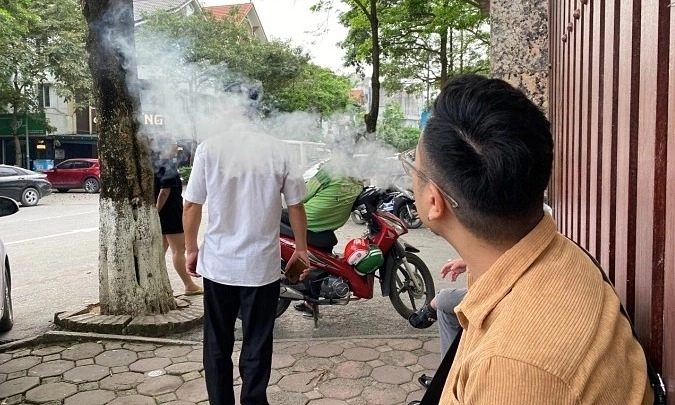
Tobacco use remains a significant public health issue in Vietnam, claiming the lives of over 100,000 individuals annually. This staggering statistic highlights the urgent need for effective measures to combat tobacco consumption and its associated health risks. The prevalence of smoking in the country is alarming, with a considerable portion of the population, especially among men, engaging in this harmful habit. The impact of tobacco extends beyond individual health, placing a heavy burden on the healthcare system and the economy.
The health consequences of tobacco use are well-documented and include a range of diseases such as lung cancer, heart disease, and respiratory illnesses. As more Vietnamese people fall victim to these diseases, families and communities face not only the emotional toll of losing loved ones but also financial hardships due to medical expenses and loss of income. The government’s response to this crisis has involved public awareness campaigns and policies aimed at reducing tobacco consumption, yet challenges remain in effectively implementing these strategies.
Cultural factors also play a role in the persistence of smoking in Vietnam. Tobacco is often ingrained in social practices and daily life, making it difficult to change societal attitudes towards smoking. Furthermore, the influence of the tobacco industry, which markets its products aggressively, complicates efforts to reduce consumption. To address this issue comprehensively, a multifaceted approach is necessary, including stronger regulations on tobacco advertising, increased taxes on tobacco products, and enhanced support for cessation programs.
In conclusion, the loss of over 100,000 lives each year due to tobacco use in Vietnam underscores the critical need for a concerted effort to tackle this public health crisis. Through collaborative actions involving government agencies, healthcare providers, and community organizations, it is possible to create a healthier environment and reduce the devastating impact of tobacco on individuals and society as a whole. The path forward requires not only awareness but also sustained commitment to change cultural perceptions and habits related to tobacco, ultimately saving lives and improving public health.