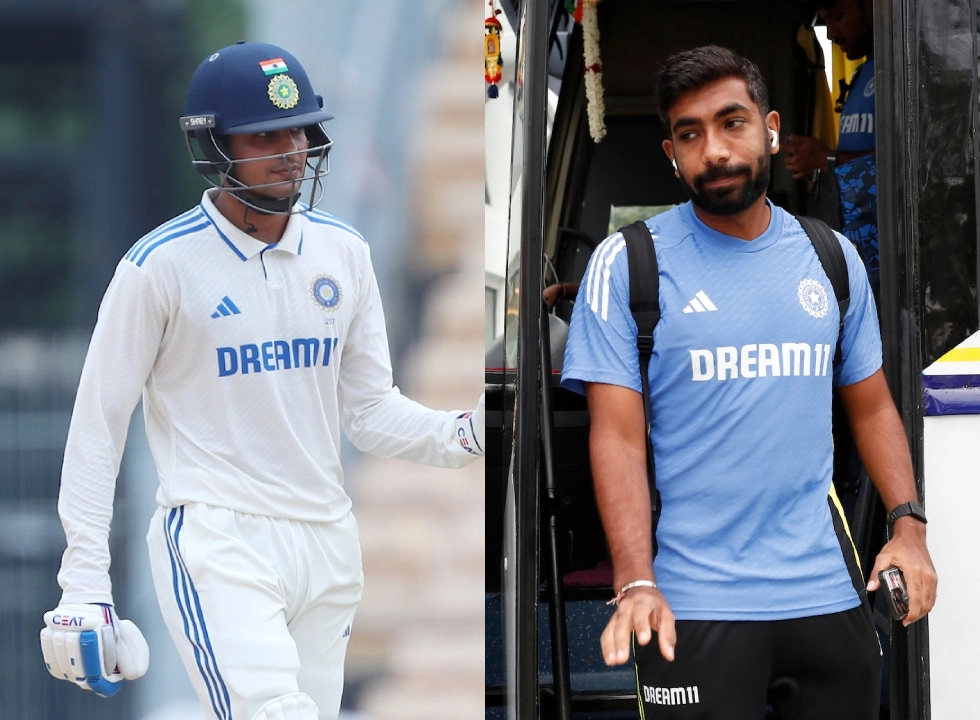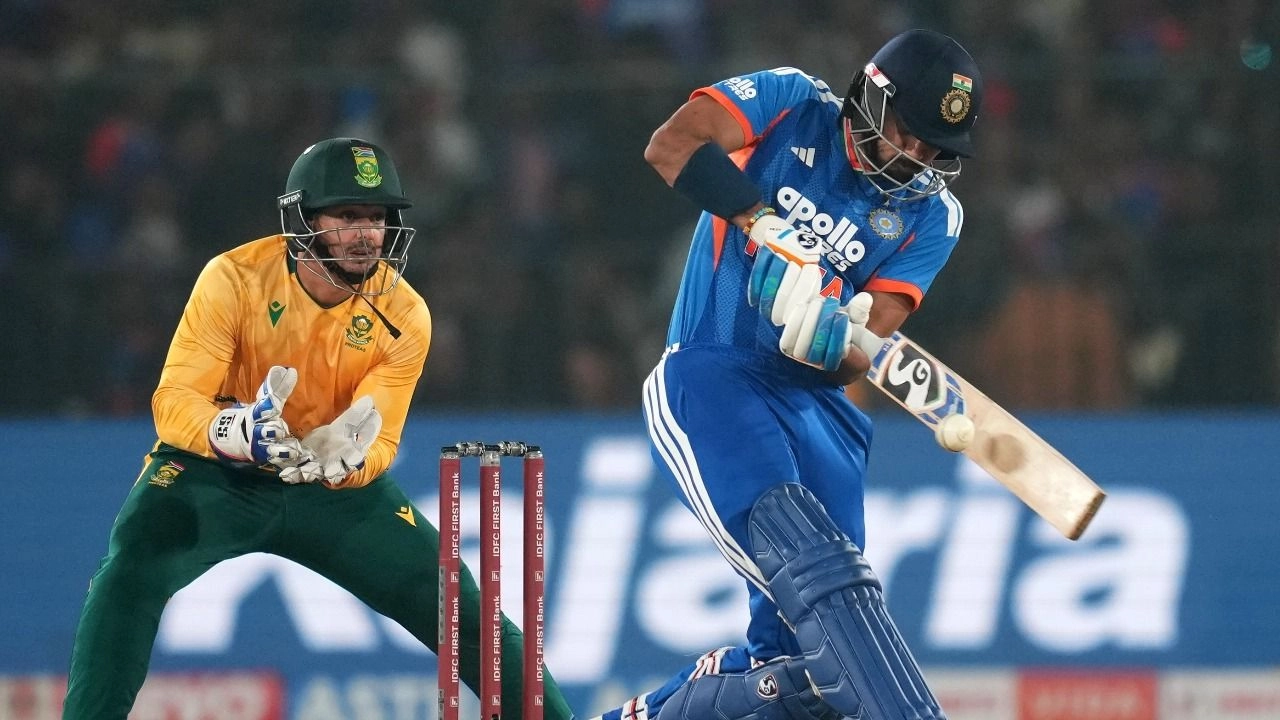
The decision-making process behind player selections in cricket often raises questions and intrigues fans and analysts alike. Recently, the Indian cricket board decided not to name Axar Patel as Washington Sundar’s replacement for the One Day Internationals (ODIs) against New Zealand, prompting speculation regarding the rationale behind this choice. Washington Sundar, who has been a valuable asset to the Indian team, was ruled out due to an injury, and many assumed that Patel, who has experience and skill, would seamlessly step into the role. However, the selectors opted for a different approach, leading to discussions about the factors influencing their decision.
One primary reason for not choosing Axar Patel could be linked to team balance and strategy. The selectors might have felt that Patel’s skill set did not align perfectly with the specific requirements for the upcoming series against New Zealand. Instead, they may have considered other players who could provide a better fit for the team’s dynamics and the conditions expected in New Zealand. Furthermore, the board might be looking to give opportunities to younger or less experienced players in order to build a more versatile squad for future challenges.
Another aspect to consider is the performance form of the players in recent matches. The selectors often evaluate players not just based on their past performances but also their current form, fitness, and ability to adapt to particular playing conditions. Patel may have been under scrutiny for his recent outings, influencing the selectors to look elsewhere for a replacement. In addition, the Indian team management may be contemplating a long-term vision, preferring to nurture talents who can contribute to the team’s future rather than opting for a seasoned player like Patel who has had inconsistent performances recently.
Ultimately, the decision not to name Axar Patel as Washington Sundar’s replacement reflects the intricate layers involved in team selection. It underscores the selectors’ commitment to a strategic approach, ensuring that the team not only fields the best players in terms of skill but also maintains a balance that suits the specific challenges posed by the opposition. As fans await the upcoming ODIs, the hope remains that the chosen squad will rise to the occasion and deliver commendable performances against a competitive New Zealand side.