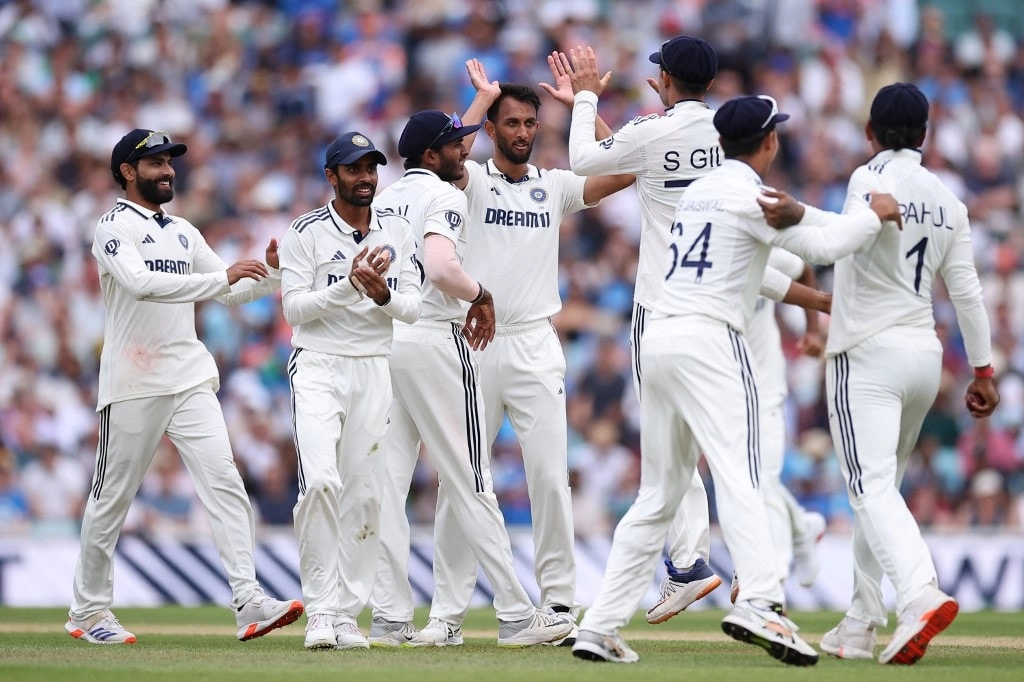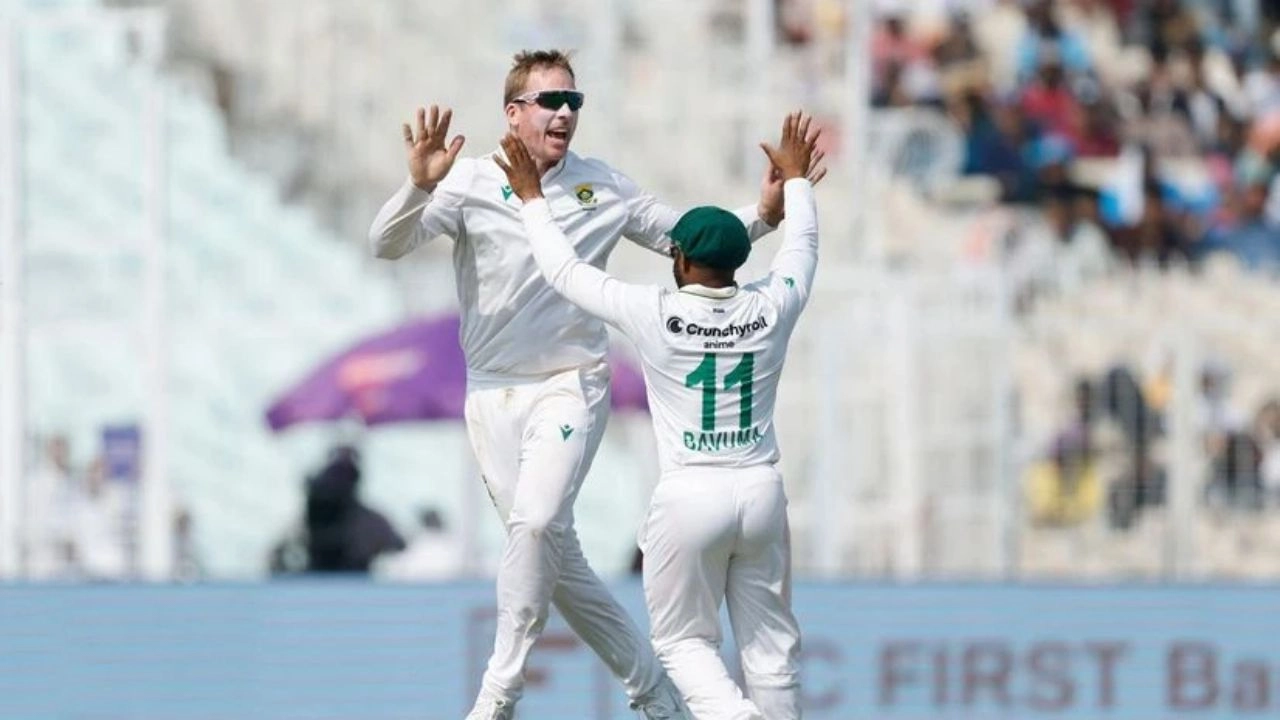
In a recent post-match analysis, South African cricketer Simon Harmer unleashed a scathing critique of the Indian media following his team’s commanding performance in the Kolkata Test. Harmer’s comments came in the wake of South Africa’s significant victory, which not only showcased their cricketing prowess but also highlighted the often disproportionate scrutiny faced by the team from the Indian press. He expressed his frustration over what he perceived as biased reporting and sensationalism that overshadowed the achievements of his squad.
Harmer emphasized the importance of fair coverage in sports, arguing that the media plays a crucial role in shaping public perception. He pointed out that while the Indian media has a tendency to elevate the narrative surrounding their own players, it frequently diminishes the contributions and successes of visiting teams. This imbalance, he argued, fosters an environment where the achievements of international players are often undervalued, leading to a lack of respect for their talent and hard work. His remarks resonate with many athletes who have experienced similar challenges, as they navigate the complexities of public scrutiny while striving for excellence on the field.
The Kolkata Test was a defining moment for South Africa, showcasing their ability to perform under pressure and compete effectively in challenging conditions. Harmer’s performance, along with his teammates’, contributed significantly to the team’s success. However, instead of celebrating their achievements, Harmer felt that the narrative quickly shifted to critique and analysis of the Indian team’s shortcomings. This prompted him to call for a more balanced approach in sports journalism, one that acknowledges the skill and effort of all players involved, regardless of their nationality.
The cricketer’s comments have sparked a broader conversation about the responsibilities of the media in sports reporting. Many in the cricketing community are now reflecting on the need for a more equitable portrayal of teams and players, emphasizing that media outlets should strive to celebrate excellence in all its forms. Harmer’s bold stance not only sheds light on the challenges faced by international athletes but also calls for a reassessment of how sports narratives are constructed in the media landscape. As the cricketing world continues to evolve, it is vital for journalists and commentators to embrace a more inclusive and respectful approach to reporting, one that honors the spirit of the game and the dedication of all players involved.